

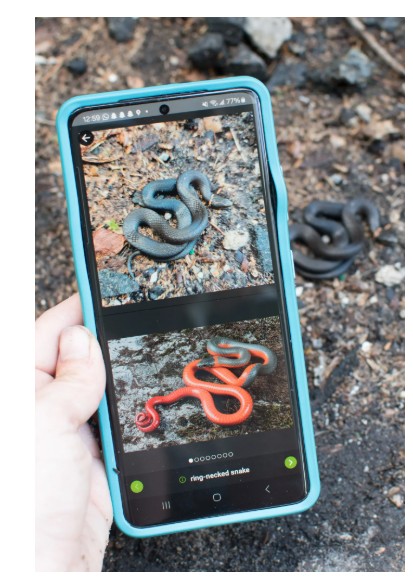
In Spring 2019, a nature photographer in northern China took a picture of an unusual insect and uploaded the image to iNaturalist, a citizen science platform. Later on, it was confirmed to be a new species dubbed the mountain ghost stiletto fly. This article in the New York Times states that such a discovery exemplifies the growing impact of public-contributed biodiversity data. Since its launch in 2008, iNaturalist observations have now been cited in over 5,000 peer-reviewed papers, with more than 1,400 published in 2022 alone—nearly four per day.
The study, published in BioScience and co-authored by University of Florida ecologist Corey Callaghan, shows that iNaturalist data is being used to:
- Identify new species
- Track invasive species
- Map critical habitats
- Analyze climate change impacts
- Explore animal behavior
As of mid-2024, the platform included over 200 million observations submitted by 3.3 million users, covering more than 600 plant, animal, and fungal families across 128 countries. Though many uses rely on basic presence–absence data, researchers are increasingly tapping into the richer potential of user-supplied images—using them to study color variation in butterflies and snakes, flower preferences among bees, Andean bird diets, and more. Advances in machine learning are also enabling automated analysis of these vast image datasets.
While scientists emphasize that citizen-collected data won’t replace expert-led fieldwork, iNaturalist serves as a complementary and accelerating resource. “Keep doing what you’re doing,” ecologist Callaghan urges users, acknowledging the real scientific value of their contributions.
Citizen scientists—using platforms like iNaturalist—are providing large-scale, globally distributed ecological data that’s transforming how biodiversity research is conducted, enabling faster insights, broader coverage, and richer analyses than traditional professional-only studies.
