

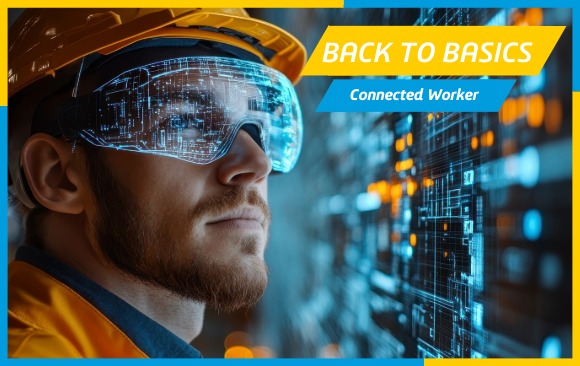
In industrial operations today, the idea of a connected worker goes well beyond basic device use. A connected worker is a frontline employee outfitted with digital tools that deliver real-time information, guidance, and communication, linking them to colleagues, managers, intelligent machines, and operational data. This integration bridges the physical and digital worlds, letting workers perform tasks with greater precision, efficiency, and awareness while reducing delays and errors. It’s a central element of Industry 4.0, where workers, data, and machines interact seamlessly in a digital ecosystem, says 3DS Blog.
The technology that enables connected workers includes mobile devices and wearables, the industrial Internet of Things, cloud and edge computing, and augmented and virtual reality. Smartphones and tablets give direct access to digitized work instructions and data. Wearables such as smart glasses can overlay guidance in the user’s field of view, and sensor-embedded apparel can monitor safety conditions such as heat or vibration. IIoT sensors collect performance and equipment status data, which is streamed to platforms that provide contextual information at the point of action. Cloud infrastructure stores and analyzes vast amounts of data, while edge computing reduces latency for time-critical feedback.
The benefits are tangible. Connected workers can complete tasks faster by eliminating paper manuals and searching for information. Safety improves through real-time alerts for hazards, biometric monitoring, and automated geofencing. Workflows become more consistent and less error-prone, as digital checklists and expert guidance are always on hand. And managers gain data-driven decision-making because every action and outcome is captured and analyzed for insights into productivity and process improvement.
Looking forward, as technologies such as 5G, artificial intelligence, and advanced robotics mature, the role of the connected worker will expand further. Rather than being replaced by automation, workers will collaborate with intelligent systems, focusing on decision-making and oversight while digital tools handle routine tasks. This evolution promises more resilient, agile, and productive industrial operations that empower workers with information and support where and when they need it most.
