

The rapid rise of artificial intelligence has intensified the thermal challenges inside data centers, where high-performance GPUs and accelerators generate unprecedented heat. Liquid cooling has emerged as the dominant solution because of its superior ability to dissipate heat at high power densities. Circulating coolant directly around or through components, it enables higher computing density, improved energy efficiency, and sustained performance, making it essential for advanced AI workloads, tells Design News.
However, the article argues that liquid cooling is not a universal answer. Despite its effectiveness, it introduces significant complexity and cost, including the need for piping infrastructure, leak management, and system redesign. Many operators remain cautious about adopting fully liquid-cooled systems, especially when existing air-based infrastructure is still functional.
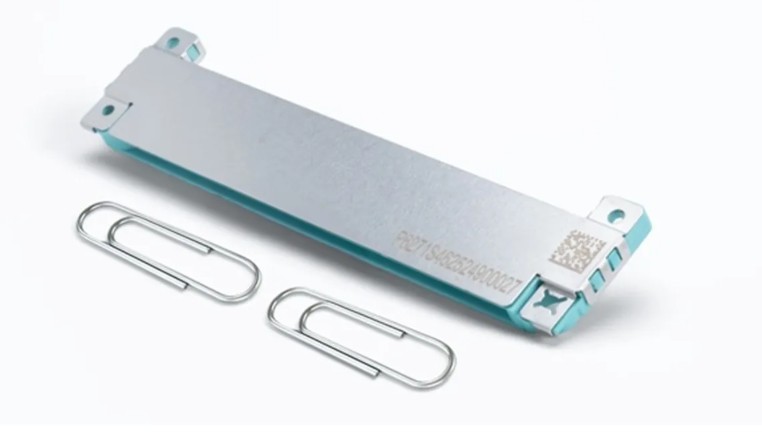
Ventiva proposes an alternative approach based on ionic cooling, which uses targeted airflow to address localized heat hotspots within server racks. Unlike conventional air cooling, which distributes bulk airflow inefficiently, this method directs cooling precisely where it is needed, including hard-to-reach components such as voltage regulators and memory modules. This targeted strategy can improve performance stability, reduce thermal stress, and extend hardware lifespan while saving an estimated 4–5% of power consumption.
The key insight is that cooling in AI data centers is evolving toward a hybrid model rather than a single solution. Liquid cooling remains essential for high-power components at the front of racks, particularly GPUs, while air-based and targeted airflow systems continue to play a critical role in managing less intensive workloads and secondary components.
Ultimately, the future of AI data center cooling will depend on balancing performance, cost, and efficiency. Instead of replacing one system entirely, engineers are increasingly combining multiple cooling strategies to optimize thermal management across diverse workloads.
