

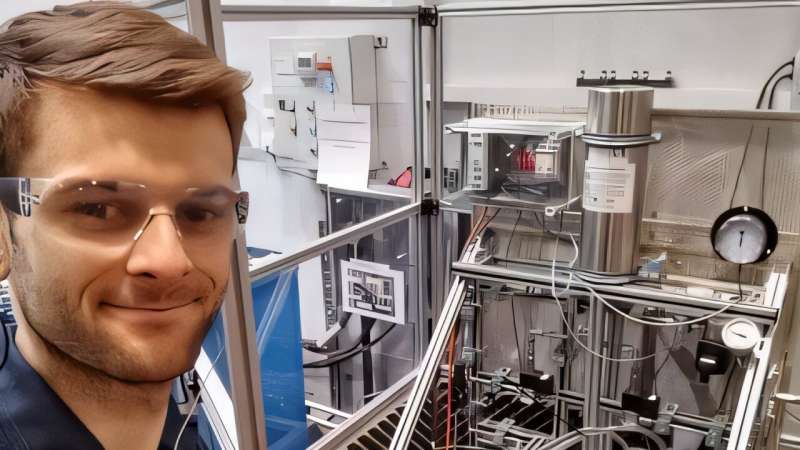
Aging cast iron water pipes remain one of the least visible yet most expensive infrastructure challenges facing modern cities. A new study highlighted by Tech Xplore explores the hidden mechanical processes behind pipe failure, shedding light on why decades-old water systems suddenly crack, leak, and collapse beneath streets and neighborhoods. The research, conducted by Ph.D. student Edward John at the University of Manchester, focuses on understanding how microscopic damage evolves into major infrastructure breakdowns.
Many cast iron pipes installed during the nineteenth and early twentieth centuries are still operating far beyond their intended lifespan. While corrosion and age are widely recognized problems, the research shows that pipe failure is rarely caused by a single defect. Instead, fractures emerge through a combination of soil pressure, internal water stress, temperature fluctuations, traffic vibration, and gradual material fatigue. Tiny cracks can spread slowly over years before triggering sudden leaks or catastrophic ruptures.
The study investigates the fracture behavior of cast iron at the microscopic levels to better understand how different environmental conditions influence crack growth. Researchers are particularly interested in the interaction between pipe materials and surrounding soil, which can either stabilize or intensify structural weaknesses. Variations in moisture, shifting ground conditions, and repeated loading cycles all contribute to hidden deterioration beneath urban landscapes.
Understanding these mechanisms has significant practical implications. Water utilities worldwide lose billions of liters of treated water each year because of leaking infrastructure. Unexpected pipe bursts can also damage roads, disrupt transportation, contaminate water supplies, and generate major repair costs. By improving predictive models of pipe degradation, engineers hope to identify vulnerable sections before failures occur.
The research reflects a broader shift in civil engineering toward predictive infrastructure management. Rather than reacting after damage appears, utilities increasingly rely on data analysis, structural monitoring, and material science to anticipate failures earlier. Emerging technologies such as sensor-based monitoring systems and machine learning are also being explored to improve underground infrastructure assessment.
Although buried beneath cities and largely ignored by the public, water pipes form one of the most critical foundations of urban life. Studies such as this reveal that maintaining those systems requires not only replacement funding but also a deeper scientific understanding of the materials quietly aging underground.
