

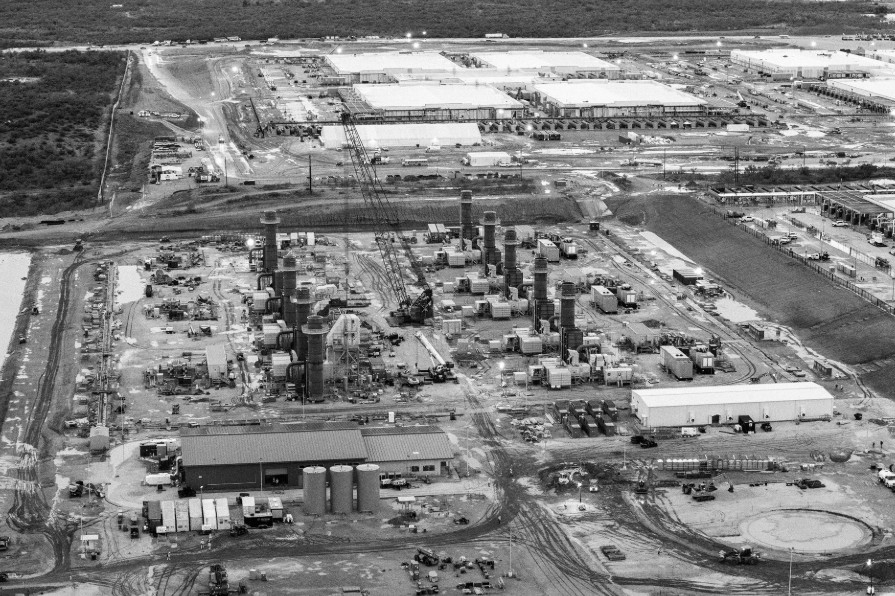
A Wired.com report exposes a dramatic shift in the United States’ energy landscape, with data centers emerging as a major driver of new gas-fired power generation. Research from Global Energy Monitor reveals that, over the past two years, the amount of natural-gas capacity linked specifically to data-center electricity needs climbed roughly 25-fold, from about 4 gigawatts in early 2024 to more than 97 gigawatts in 2025. That surge means that more than one-third of new gas projects in the development pipeline are explicitly tied to powering data centers, enough capacity to power tens of millions of households. If all projects were completed, the U.S. gas fleet could grow by nearly 50% above its existing 565 gigawatts.
This boom reflects developers’ efforts to keep pace with explosive demand for computing power, much of it driven by generative artificial intelligence. Data centers require reliable, always-on electricity, and utilities are responding by planning or expanding gas plants and extending the life of older coal units. The trend has also been bolstered by recent political decisions that ease environmental regulations on fossil-fuel infrastructure, making gas development simpler and cheaper.
Natural gas emits less carbon dioxide when burned than coal, but it still contributes significantly to greenhouse gas emissions—about 35% of U.S. energy-related CO₂ emissions. Methane leaks during extraction present even greater climate risk, since methane traps far more heat in the short term than carbon dioxide. Experts warn that the data-center-linked expansion of gas infrastructure could lock in decades of emissions at a time when climate goals call for rapid decarbonization.
The article also notes uncertainties about how many of the planned projects will actually be built. Grid constraints, turbine shortages, and improvements in efficiency could dampen total demand. Still, even partial build-outs would represent a sizeable increase in fossil-fuel capacity. Amid this backdrop, the U.S. faces a policy challenge: meeting the demands of a booming digital economy while managing environmental impacts and advancing clean energy alternatives.
