

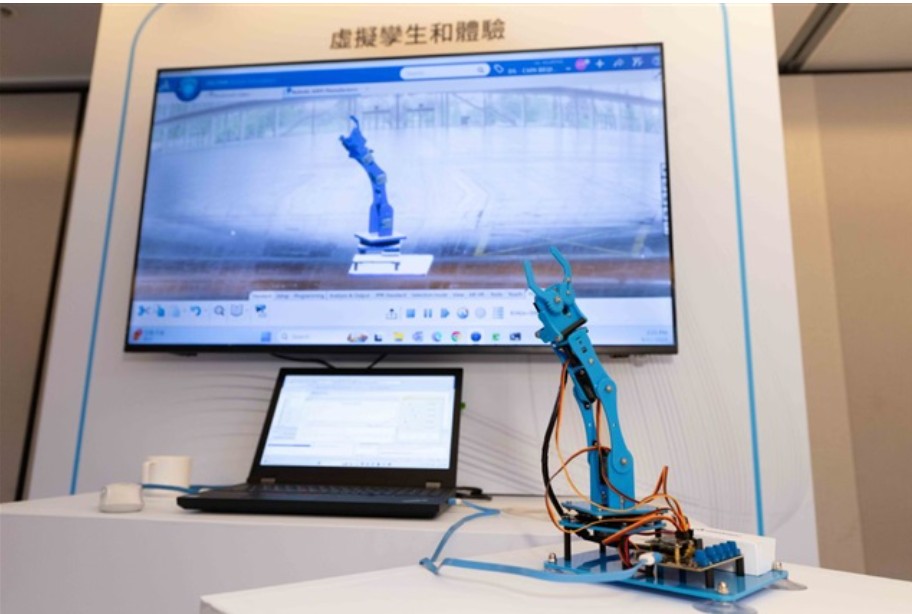
Taiwanese companies Teco and Kenda are exploring applications of digital twin technology as highlighted at Dassault Systèmes’ annual summit in Taiwan last week. The event emphasized how industries in Taiwan are increasingly interested in using digital twins, simulated replicas of physical assets or systems, to optimize operations, says DIGITIMES Asia.
Teco, a manufacturer of industrial machinery, and Kenda, known for its involvement in tires and rubber products, are discussing how simulation tools might integrate with their existing production and supply-chain systems. These tools offer possibilities for modeling, monitoring, and forecasting performance, maintenance needs, and process efficiencies without disrupting actual equipment.
The interest is driven by pressures to improve efficiency, reduce downtime, and lower costs, while also keeping up with GenAI and Industry 4.0 trends. Simulation and digital twins provide virtual testing grounds for changes in design, predicting failures, or adjusting workflow, before applying them in real plants.
Partnerships seem likely. Teco and Kenda are evaluating collaboration with software providers for tools that capture real-time data, build accurate virtual environments, and provide actionable insights. Challenges include capturing sufficient, high-quality sensor data, integrating existing legacy equipment, convincing stakeholders of value, and ensuring that virtual models stay synchronized with reality.
Taiwan’s push toward adopting digital twin tech reflects a global movement. For industries such as manufacturing, rubber products, and machinery, there is a growing consensus that virtual modeling isn’t optional; it could become central to competitive sustainability and resilience. The Teco-Kenda efforts are early-stage but illustrate how digital twin tools are becoming more practical, not just experimental prototypes.
