

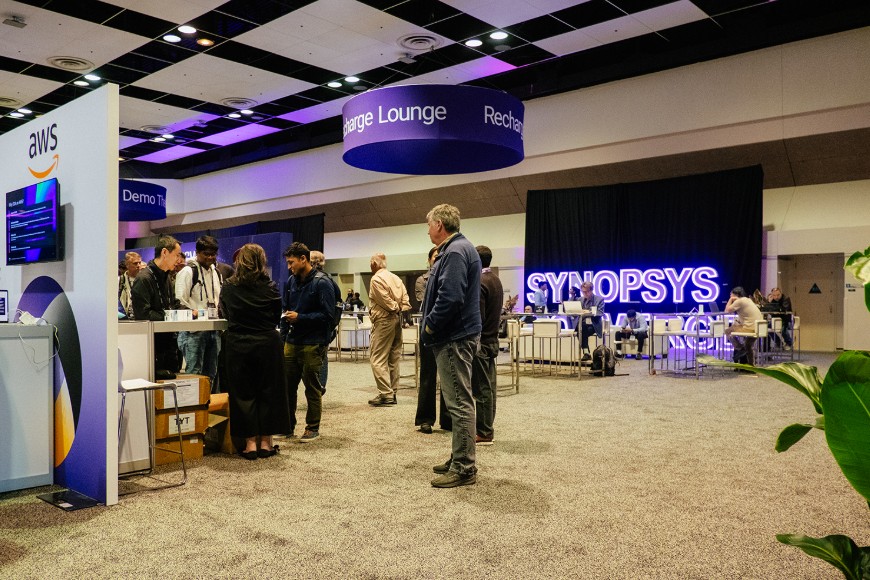
The Synopsys Converge event signals a decisive shift in electronic design automation, where the boundaries between chip design, simulation, and system engineering are dissolving under the pressure of physical AI. The event brings together previously separate communities, including Synopsys’ user conference and Ansys’ simulation ecosystem, reflecting a broader move toward integrated engineering workflows, tells Digital Engineering 24/7.
At the core of this transition is the concept of convergence. Modern intelligent systems, such as autonomous machines and AI-driven devices, demand tight coordination between silicon, software, and physical behavior. Traditional ECAD tools, once focused primarily on circuit design, are now expanding to include multiphysics simulation, system-level modeling, and co-design approaches. This shift acknowledges that performance and reliability can no longer be optimized in isolation across domains.
A key enabler of this new paradigm is the integration of simulation technologies directly into the chip design process. Synopsys emphasizes the use of digital twins to design, test, and refine products virtually, reducing reliance on costly physical prototypes. By incorporating mechanical, thermal, and electromagnetic considerations earlier in the design cycle, engineers can address complex interactions that define real-world system behavior.
Artificial intelligence further accelerates this transformation. AI-driven tools are being embedded across the design flow to automate tasks, explore design alternatives, and manage growing complexity. The emergence of agentic AI introduces the possibility of more autonomous engineering processes, where systems can assist in decision-making and optimization at scale.
The message from Synopsys Converge is clear: engineering is entering a “convergence decade,” where success depends on breaking down silos between disciplines. As physical AI systems become more sophisticated, ECAD is evolving into a broader platform that unites electronics, physics, and intelligent software. This integrated approach is set to redefine how next-generation products are conceived, designed, and validated.
