

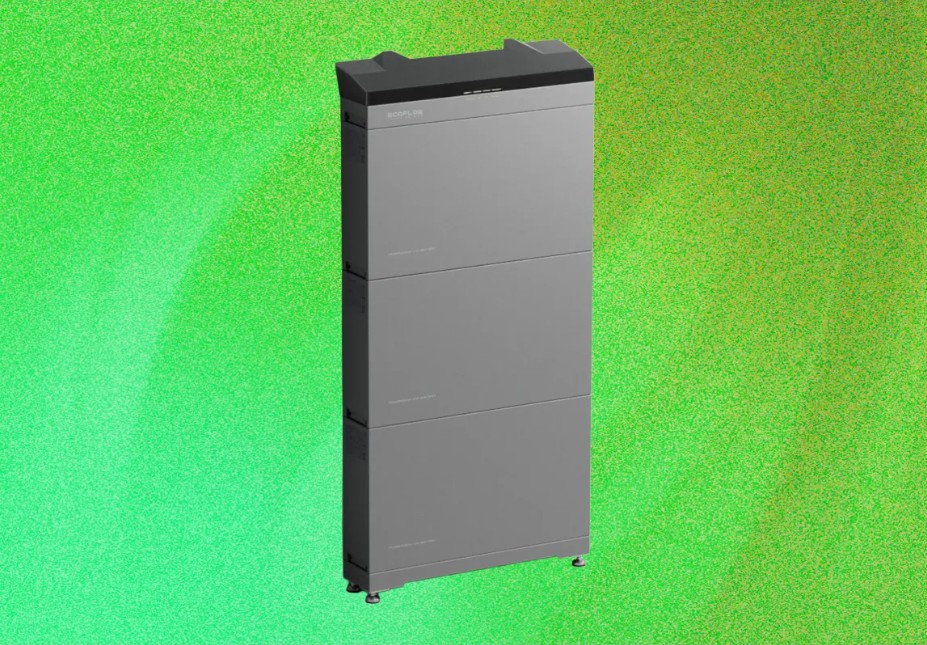
The Wired.com review of the EcoFlow PowerOcean explores the growing appeal of home battery systems as homeowners seek greater control over their energy use and costs. After two months of daily use, the reviewer found that the system largely delivered on its promise to reduce electricity costs by storing low-cost energy and supplying it when grid prices were higher.
The review focuses on a household that uses a discounted overnight electric-vehicle tariff. The battery charges during low-cost nighttime hours and powers the home throughout much of the day. The author selected a setup consisting of a 6-kW hybrid inverter and two 5-kWh battery modules, providing around 10 kWh of usable storage. In practice, the battery typically supplied electricity until late afternoon, although periods of heavy appliance use depleted the stored energy sooner.
Installation required more than simply mounting the battery. The project involved electrical upgrades, approval from the local utility network, and professional installation. Once operational, however, the system proved straightforward to use. The EcoFlow smartphone app allowed real-time monitoring of energy consumption, battery performance, and charging behavior. The reviewer found the app more useful than the included PowerInsight monitoring tablet, which saw little use after the initial setup period.
Several design features stood out positively, including the PowerOcean’s compact appearance, quiet operation, built-in heating system for cold-weather performance, modular architecture, and 15-year warranty. The system can be expanded to significantly larger capacities, though the review cautions that adding batteries later may be more expensive and complicated than purchasing sufficient capacity at the outset.
Financially, the results were encouraging. The reviewer estimated that the battery reduced electricity costs by roughly half during the first month of operation and could potentially pay for itself in about six years under current conditions. Beyond household savings, the article notes that home batteries can play an important role in supporting renewable energy adoption by storing power when supply is abundant and releasing it when demand is higher.
