

Rising fuel costs and geopolitical tensions are beginning to shift the economics of the trucking industry, bringing renewed attention to electric alternatives. A recent surge in diesel prices, driven in part by conflict affecting global oil supply routes, has placed significant financial pressure on logistics companies, tells The New York Times. Many operators report shrinking profits despite adding fuel surcharges, while food distributors and other freight-dependent sectors are passing costs down the supply chain.
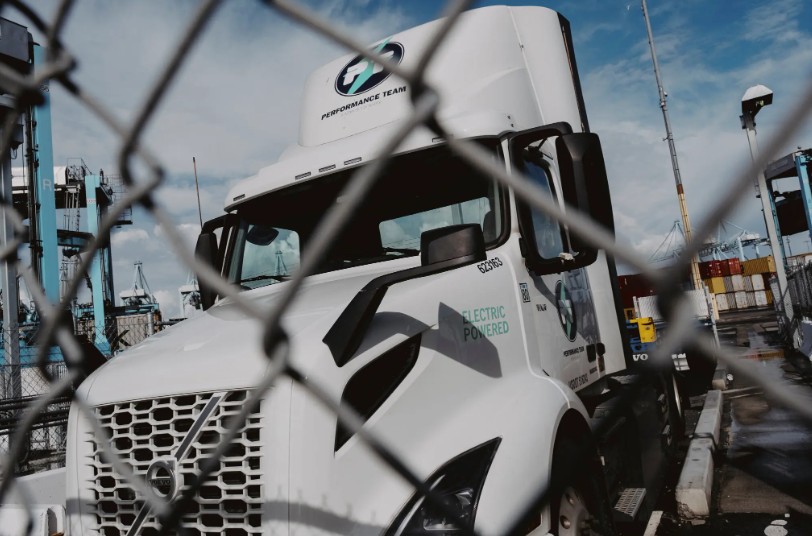
Against this backdrop, electric trucks are gaining relevance, though adoption remains limited. In 2024, fewer than 2,000 electric medium- and heavy-duty trucks were sold in the United States, compared with nearly half a million total truck sales. Still, recent developments suggest momentum is building. Tesla’s planned mass production of electric semi trucks, along with a lower-than-expected price compared with competitors, could help narrow the cost gap. Early estimates indicate these vehicles may approach parity in total cost of ownership for certain routes.
Environmental and health considerations add further urgency. Diesel trucks contribute significantly to greenhouse gas emissions and produce high levels of harmful particulate matter linked to thousands of deaths annually. Transitioning to electric fleets could deliver meaningful benefits in both areas.
However, major obstacles remain. Electric trucks are still more expensive upfront and face technical challenges, including heavy battery systems and limited charging infrastructure. Long-haul operations are particularly difficult, as fast-charging networks capable of supporting large vehicles are still in the early stages of deployment.
Adoption is progressing more quickly in shorter-range applications. Smaller delivery trucks and cargo vans, especially those operating within 200 miles per day, are already proving cost-effective. Companies such as Amazon have begun deploying such vehicles at scale, driven more by economics than environmental goals.
While electric trucking is advancing, the industry-wide transformation will take time, with infrastructure, policy, and production scale all playing critical roles.
