

A New York Times investigation explains why electric vehicles (EVs) have stopped being just another type of automobile and started to feel like a political symbol, especially among Republicans and conservative voters. At the heart of the issue is perception. For many on the right, EVs represent government mandates and climate policy ambitions pushed by Democrats, rather than a neutral consumer choice. That framing has hardened into cultural resistance that goes beyond practical concerns about cost or charging infrastructure.
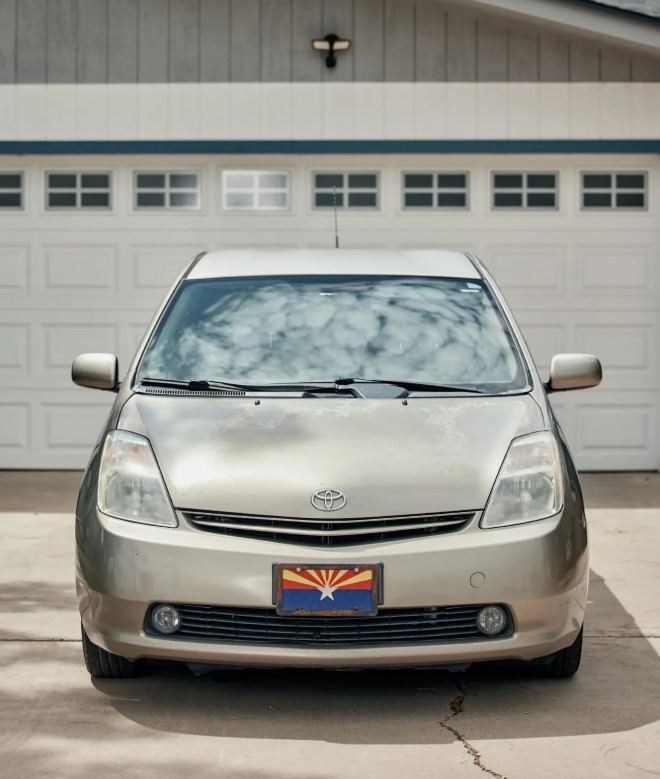
The article traces this shift back decades, to the early days of hybrids such as the Toyota Prius. Toyota’s marketing framed those vehicles as environmentally virtuous, tying them to broader green values. Early adopters embraced that image, but it also sparked backlash from people who saw it as virtue signaling or a pushy environmental message. Over time, this pattern repeated itself as fully electric vehicles entered the mainstream.
Today, EVs are entwined in culture wars. Republicans and conservative commentators often describe EV incentives and mandates as evidence of government overreach or elitism. Some also worry that aggressive EV policy could harm traditional auto jobs and industries. That view resonates in parts of the country where internal combustion engines are tied to identity and economic life.
Part of the divide is rooted in marketing and messaging choices, not solely the underlying technology. When EVs are cast as moral imperatives or symbols of climate policy, it pushes segments of the population further away. Efforts are underway by advocates to reposition EVs like any other vehicle choice, appealing to performance, reliability, and cost benefits rather than political ideals.
The result is a partisan gap in EV perception and adoption that will shape the industry just as much as batteries or range.
