

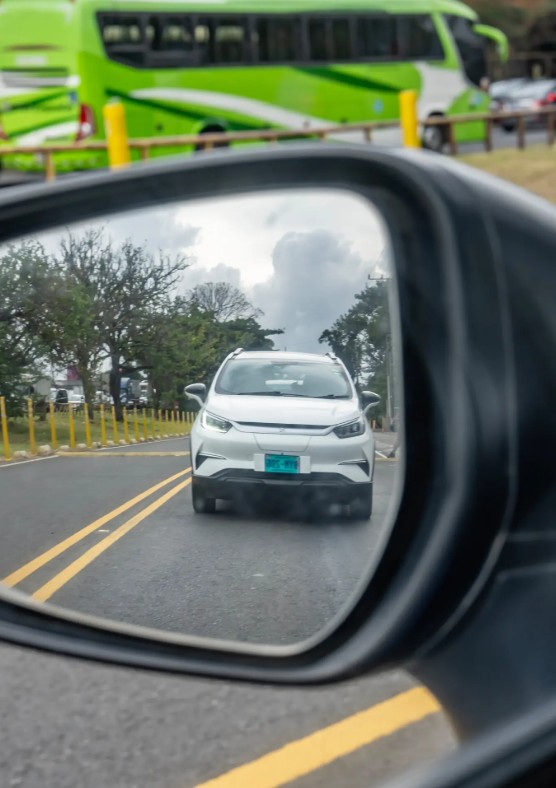
Electric vehicles are gaining momentum across developing regions, with Costa Rica emerging as a striking example of this shift. Once dominated by conventional cars, the country is now seeing a surge in electric adoption, driven largely by affordability, policy incentives, and rising fuel costs. At locations such as the Croc Skywalk, Chinese-made electric vehicles from brands such as BYD and Geely are a common sight, signaling a transformation in consumer choice, tells The New York Times (full article available to subscribers).
This growth reflects a broader global trend. Electric vehicle sales across Latin America, Africa, and much of Asia rose sharply, increasing by 79% in March compared with the previous year. In Costa Rica alone, electric vehicles accounted for 18% of new car sales in early 2025, a figure that surpasses adoption rates in the United States. Governments are encouraging this transition to reduce reliance on imported oil and strengthen energy independence, particularly in countries such as Costa Rica that generate most of their electricity from renewable sources such as hydropower.
Affordability plays a central role. Many consumers are drawn to electric vehicles not for environmental reasons but for cost savings, with lower fuel and maintenance expenses proving decisive. Chinese manufacturers have accelerated this shift by offering models priced under $20,000, intensifying competition and driving down prices.
However, the transition is not without challenges. Infrastructure gaps remain evident, including incompatible charging systems and limited standardization. Concerns also persist about the capacity of the power grid, particularly during periods of reduced hydropower generation. Despite these issues, utilities are investing in renewable energy expansion, including solar power, to support growing demand.
Businesses are already benefiting. Companies using electric vans and buses report reduced operating costs and improved customer satisfaction. The shift represents a profound disruption, reshaping not only transportation but also energy systems and market competition. Costa Rica’s experience underscores both the promise and complexity of electrifying mobility in emerging economies.
