

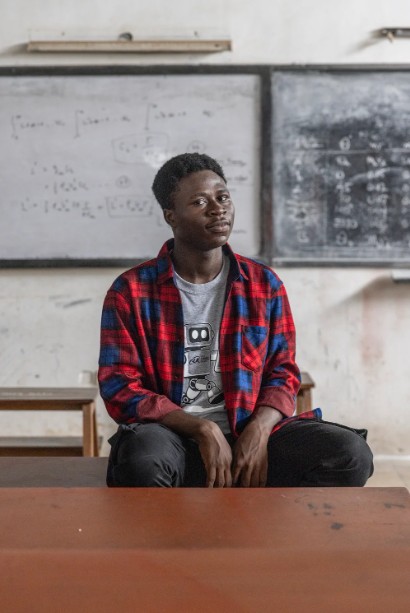
This interesting story on IEEE Spectrum tells what it takes to pursue STEM studies in Africa through the eyes of an engineering student at Obafemi Awolowo University in Nigeria. He worked on multiple major projects in one semester. His drone project failed. But it taught him lessons he would never forget. The experience showed him that failure can be a powerful teacher.
He explains that many assignments come without funding support. Students often pay out of pocket for materials and equipment. Their ability to complete a project often depends on personal finances, not just skill. That reality can skew grades. A transcript might reflect a student’s access to resources more than their talent.
These hurdles are not unique to Nigeria. Across Africa, STEM education faces systemic roadblocks. Many schools lack basic infrastructure like electricity, internet, and well-equipped labs. That affects how engineering students learn and innovate.
In rural or township areas, the curriculum and teaching methods often fall short. Few teachers are trained to teach hands-on engineering. Students miss mentorship and hands-on practice.
Mass enrollment in universities creates overcrowded classes. Some lecture halls host thousands of students. That overload makes active learning near-impossible.
Still, students push forward. They adapt, they tinker, they find creative ways to work around limits. Just like the student who learned more from a failed drone than he did from success. Perseverance and resourcefulness are often what drive real engineering education here—not just classes or grades.
