

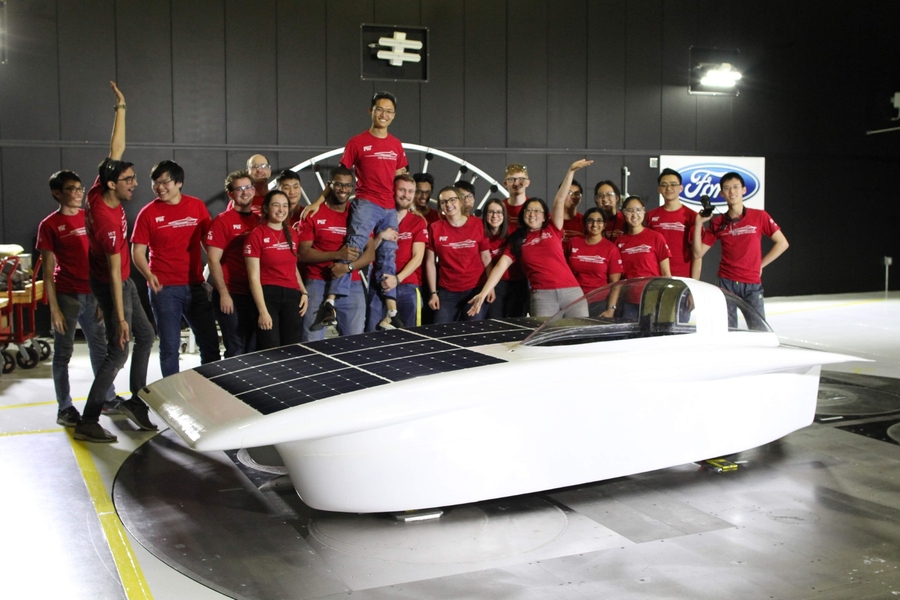
Student engineering teams at MIT are gaining a competitive edge through a combination of hands-on technical projects and structured leadership training. At the center of this approach is the collaboration between the Edgerton Center, which oversees dozens of student project teams, and the Gordon Engineering Leadership (GEL) Program. Together, they provide students with both technical challenges and practical leadership experience, a pairing that has become a powerful model for developing future engineers, tells MIT News.
The Edgerton Center supports a wide range of student-run engineering teams involved in projects such as electric vehicles, robotics, rockets, solar-powered systems, and assistive technologies. These organizations are responsible for every aspect of their work, including fundraising, recruiting members, designing systems, testing prototypes, and validating final results. Because students manage complex engineering programs themselves, leadership and teamwork become as important as technical ability.
The GEL Program strengthens those capabilities by teaching leadership principles, communication strategies, and project management techniques specifically tailored for engineers. Each year, roughly 30–40 students from Edgerton-affiliated teams are accepted into the program. Participants learn through a blend of classroom instruction and experiential activities that emphasize decision-making, team coordination, and problem-solving in real engineering environments.
Students involved in both programs often become leaders within their project teams. Many say the leadership tools learned in GEL help them translate technical expertise into effective collaboration. Instead of focusing only on engineering tasks, they learn to coordinate large teams, manage schedules and resources, and guide projects from concept through completion.
Faculty members view the partnership as mutually beneficial. Project teams gain stronger leadership and better organizational structures, while students develop communication, teamwork, and management skills that extend beyond university competitions. The result is a training environment where engineering education combines theory with real-world leadership practice.
By integrating technical design projects with leadership development, MIT is creating a model that prepares students not only to build complex technologies but also to lead multidisciplinary engineering teams throughout their careers.
