

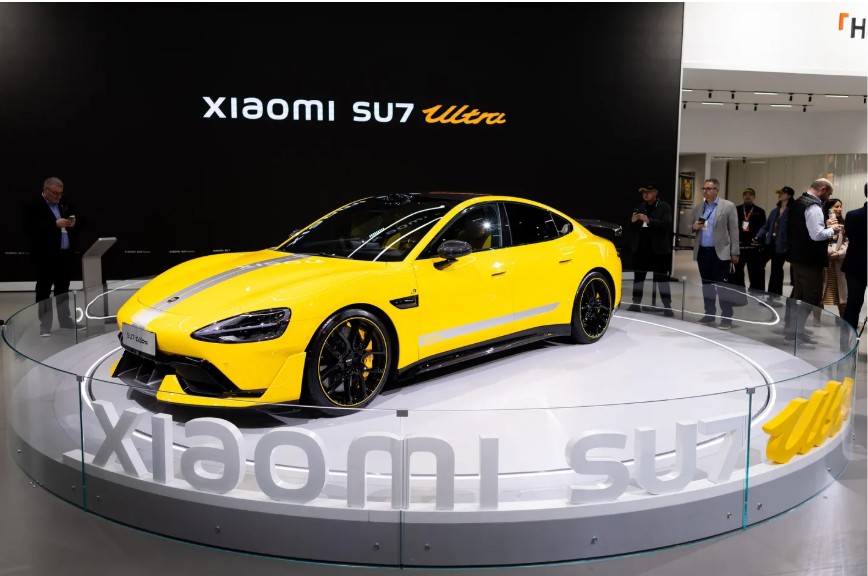
Europe’s automotive industry is bracing for intensified competition as Chinese electric vehicle makers expand aggressively into the region. The Forbes article outlines a growing sense of urgency among policymakers and manufacturers, driven by the cost advantages and rapid innovation cycles of Chinese brands. European players face a difficult balancing act: defending market share while continuing the transition to electrification.
Chinese automakers have gained momentum by offering competitively priced vehicles and faster development timelines. Their ability to produce EVs at lower cost has put pressure on European manufacturers, many of which are struggling to maintain profitability while investing heavily in electrification. Estimates suggest Chinese brands could capture a significant share of the European EV market within a few years, intensifying the competitive landscape.
In response, Europe is deploying a mix of defensive and strategic measures. Tariffs on Chinese EV imports are a central tool, aimed at offsetting perceived state subsidies and price imbalances. However, these measures come with tradeoffs. Higher tariffs may raise vehicle prices for consumers and risk retaliation, while also encouraging Chinese companies to establish manufacturing plants within Europe to bypass import barriers.
European automakers are also accelerating their own EV strategies. This includes launching new models, improving cost structures, and investing in battery technology and supply chains. Governments are supporting the transition through subsidies and industrial policy, particularly in key markets such as Germany.
Despite these efforts, structural challenges remain. European manufacturers tend to have higher production costs and longer development cycles compared to their Chinese rivals. At the same time, demand uncertainty and regulatory pressures add complexity to the transition.
The article suggests that Europe’s response will determine whether it can maintain its historical strength in the automotive sector. Success will depend not only on protectionist measures but also on improving competitiveness, scaling EV production, and adapting to a faster-moving global market. The coming years are likely to define the balance of power in the electric vehicle industry.
