

The 2022 Inflation Reduction Act (IRA) unleashed a wave of investment across the U.S. electric vehicle (EV) market and clean-energy sector. Incentives for EV production and charging infrastructure launched a new growth trajectory in both industries. But now, a sharp policy reversal is threatening to undermine that momentum, and that loss extends beyond EVs to how the grid evolves, says Tech Xplore.
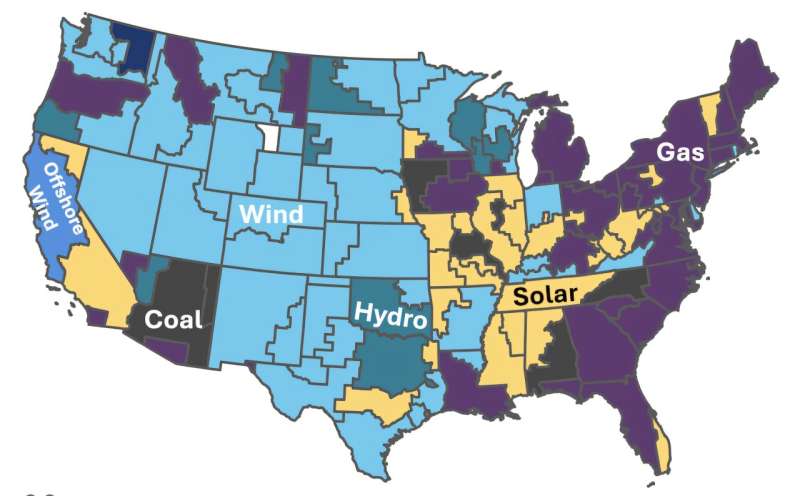
A study by researchers at Carnegie Mellon University highlights a surprising outcome: fewer EVs on the road discourages investment in clean power generation, even when electricity demand is rising. Without robust EV adoption, there’s less incentive to build wind farms, solar arrays, battery storage, or cleaner gas plants. EV charging demand normally justifies those projects.
In short, EVs not only cut tailpipe pollution, they also act as a demand driver for cleaner electricity. As EVs charge, they effectively push utilities to invest in renewable generation that operates more cheaply over time. That long-term gain disappears when EV demand dips.
In 2025, the One Big Beautiful Bill Act dismantled much of the IRA’s EV incentives. Federal tax credits and support for charging infrastructure were eliminated, and state-level emissions rules were loosened. That reversal has depressed EV investment and, according to the CMU research, threatens to slow clean power development, even though cleaner electricity is key to maximizing EV impact.
We often think of EV setbacks as a setback for transportation emissions. But the real risk runs deeper: a slower shift toward renewables, higher reliance on fossil-fuel generation, and the loss of a virtuous cycle that could unify clean transport and clean power for more resilient, greener grids.
