

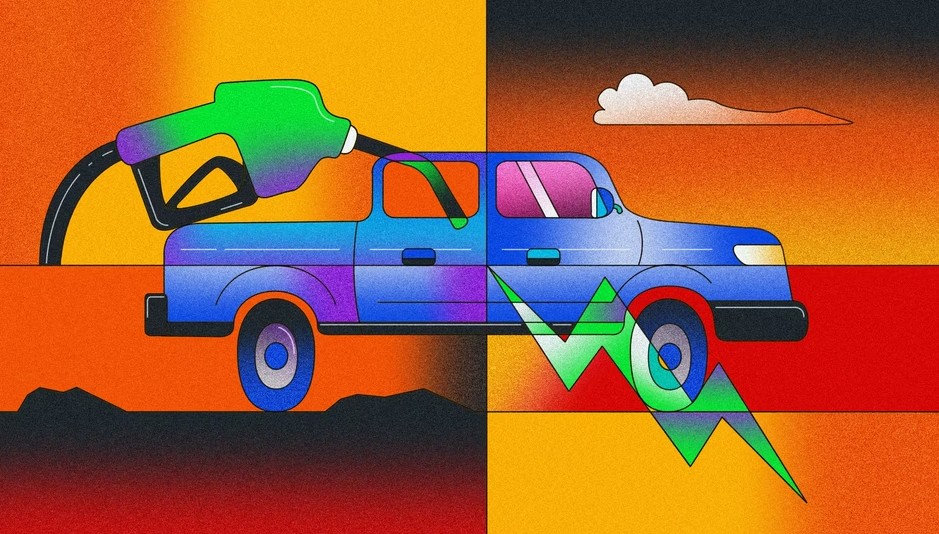
A new category of vehicles is emerging as automakers grapple with the limits of fully electric trucks. Extended-range electric vehicles, or EREVs, are designed to run primarily on electricity but include a gasoline engine that acts as a generator to recharge the battery. This configuration allows drivers to travel long distances without relying entirely on charging infrastructure, addressing one of the most persistent concerns around electric vehicles: range anxiety, reports The Atlantic (full article available to subscribers).
Unlike traditional hybrids, the gas engine in an EREV never powers the wheels directly. Instead, it supports the electric drivetrain by replenishing the battery when needed. In pickup trucks such as the upcoming Ram model, this setup enables roughly 150 miles of electric driving and up to about 700 miles of total range. The approach is particularly targeted at truck owners, who often demand long-distance capability and consistent performance under heavy loads.
The rise of EREVs reflects deeper challenges in electrifying large vehicles. Full-size electric pickups require massive batteries, which drive up costs and still struggle to deliver reliable range when towing or hauling. These limitations have slowed adoption and prompted automakers to reconsider their strategies. Several companies have scaled back or delayed fully electric truck programs in favor of extended-range designs that better match customer expectations.
Consumer response suggests strong interest in this compromise. Many buyers, especially in the truck segment, remain hesitant to rely solely on battery power. The addition of a gasoline backup provides psychological and practical reassurance, making the transition to electrification feel less risky.
However, the article frames EREVs as a double-edged solution. While they may accelerate adoption by easing concerns, they also prolong dependence on fossil fuels. These vehicles are more complex and expensive than conventional cars, combining the cost of a large battery with the maintenance demands of an internal combustion engine.
Ultimately, extended-range pickups highlight a transitional moment in the automotive industry. They offer a pragmatic response to current limitations but raise questions about whether they represent progress toward full electrification or a detour that delays it.
