

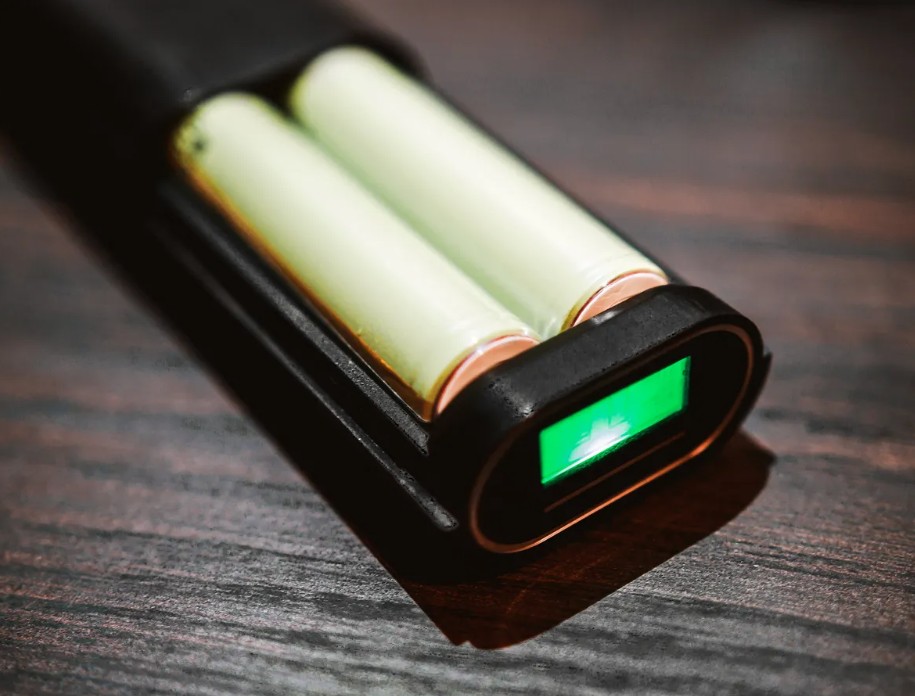
This article in IEEE Spectrum highlights the increasing infiltration of fake lithium-ion cells into the supply chain, particularly in cylindrical form factors used in e-bikes, scooters, vape pens, and power banks. Mechanical engineer Michael Pecht reports seeing battery factories with minimal safety measures—some even with smokers working beside production lines—underscoring how lax manufacturing standards enable counterfeits.
Counterfeit batteries often masquerade as brand-name units by relabeling reclaimed or scrap cells, or assembling cheap new cells with inferior internal construction. In one destructive-analysis study conducted by the Electrochemical Safety Research Institute, fake cells were found to lack key safety features such as thermal runaway protection, current interrupt devices (CIDs), and adequate insulation, making them far more hazardous than certified equivalents.
What makes these fake batteries particularly dangerous is not just their poor construction but their ubiquity. Because they look nearly identical to genuine parts, users and even device manufacturers may be unable to distinguish them without specialized analysis. Typically, the highest risk shows up in small, cylindrical cells for lower-cost devices, not the large battery packs used in EVs, which undergo stricter quality control.
For engineers, procurement managers, and system designers, this means taking supply-chain risk seriously:
- Ensure batteries come from trusted suppliers with traceable manufacturing certification.
- Incorporate verification testing where feasible (e.g., CT scans or destructive analysis in critical applications).
- Design systems assuming less-than-ideal cell performance or safety, including robust fault-detection and containment measures.
While the lithium-ion battery has been a cornerstone of the modern EV, mobile device, and energy-storage revolutions, its benefits can be undermined by counterfeit parts. Ensuring authenticity and safe manufacture of cells is no longer optional; it’s integral to maintaining system safety and reliability.
