

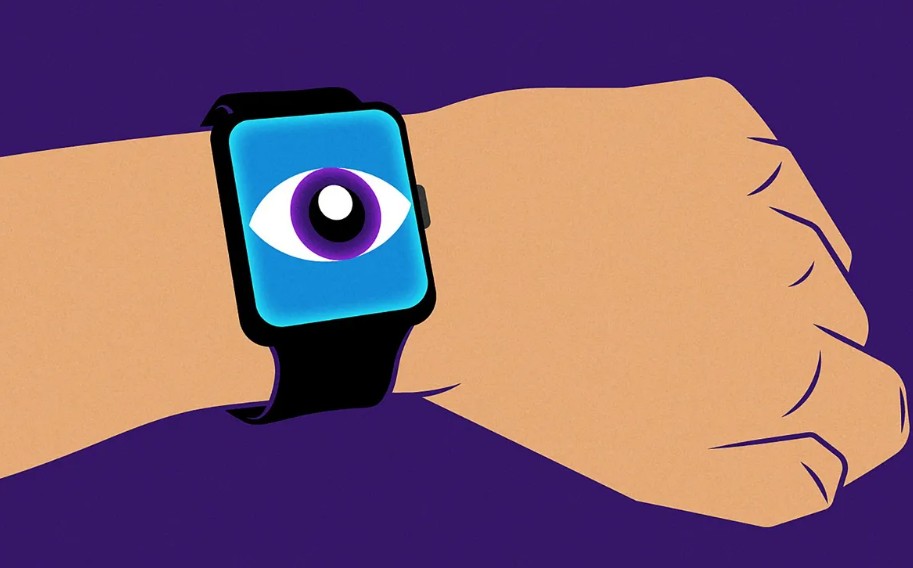
The U.S. Food and Drug Administration issued updated guidance in January 2026 to clarify how it interprets existing medical device law for consumer electronics, wearables, and clinical decision support software, tells IEEE Spectrum. These documents do not change statutes but refine how regulators distinguish between low-risk wellness products and higher-risk regulated devices.
One updated guidance focuses on “wellness” versus medical devices. It makes clear that noninvasive sensors such as heart rate monitors and sleep trackers can be treated as low-risk wellness devices, while more invasive technologies remain subject to full medical device regulations. This distinction matters as consumer gadgets increasingly include health-related sensors.
A second guidance clarifies the status of clinical decision support tools. Under the new interpretation, these tools must be limited to analyzing existing medical data rather than extracting new physiological measurements. Importantly, the FDA has softened earlier language that suggested such software must present multiple options to avoid regulation. Now the agency allows a single recommendation if only one clinically appropriate option exists, though it offers little detail on how that determination should be made.
The update also refines what counts as “medical information” versus raw bodily signals. For example, a blood glucose lab result is medical information, but continuous glucose monitor data are considered signals under the guidance. Concrete examples help manufacturers understand when their products might fall under regulatory oversight.
Industry and engineers should note that labeling a device “wellness” does not remove expectations for rigorous validation. Wearable devices that report blood pressure, glucose, or similar metrics still carry potential clinical consequences if inaccurate, and the guidance does not diminish engineers’ responsibility for validation.
Another unresolved issue is data privacy. Many wellness products lie outside protections such as HIPAA, creating uncertainty about how personal health data may be collected, shared, or sold. This regulatory gap remains unaddressed in the updated guidance.
