

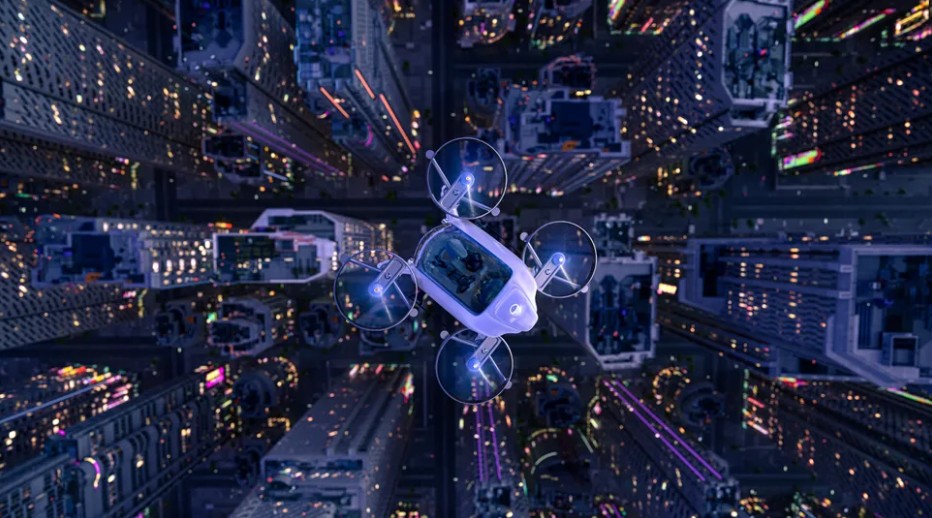
The Live Science article explores whether flying taxis, long imagined as a futuristic solution to urban congestion, are finally ready to enter real-world service. Companies developing electric vertical takeoff and landing aircraft, or eVTOLs, are aiming to begin limited operations as early as 2026, with pilot programs planned in cities such as Dubai and parts of the United States.
These aircraft resemble large drones, using multiple electric rotors to take off vertically like helicopters and then transition to forward flight. Proponents argue that they could significantly reduce travel times in crowded cities while producing fewer emissions and less noise than traditional helicopters. However, the article emphasizes that early deployments will likely be small in scale, serving niche routes such as airport transfers rather than widespread urban transport.
Despite rapid technological progress, several major hurdles remain. Certification by aviation authorities is one of the most significant challenges. Regulators must ensure that these aircraft meet strict safety standards before carrying passengers, a process that is complex and time-consuming. In addition, building the necessary infrastructure, including “vertiports” for takeoff and landing, presents logistical and financial obstacles.
Economic viability is another concern. Flying taxis are expected to be expensive initially, limiting their accessibility to premium users. Scaling production to reduce costs will take time, and companies must also prove that the business model can sustain long-term operations.
Public acceptance could further shape the timeline. Concerns about safety, noise, and visual impact may influence how quickly cities adopt this technology. While automation could eventually reduce costs and expand capacity, early systems will likely rely on human pilots.
The article concludes that flying taxis are closer than ever to reality, but widespread adoption remains uncertain. Initial launches in 2026 may mark an important milestone, yet the transition from experimental technology to everyday transportation will take years of refinement, regulation, and investment.
