

Fôld, a British wellness brand, teamed with Industrial Design Consultancy (IDC) to rethink a Pilates reformer bed for the home. Traditional reformer equipment is large, heavy, and hard to store, making it impractical for many living spaces. With Pilates surging in popularity, Fôld’s goal was to create a studio-quality reformer that can be folded and stored without dominating a room, .
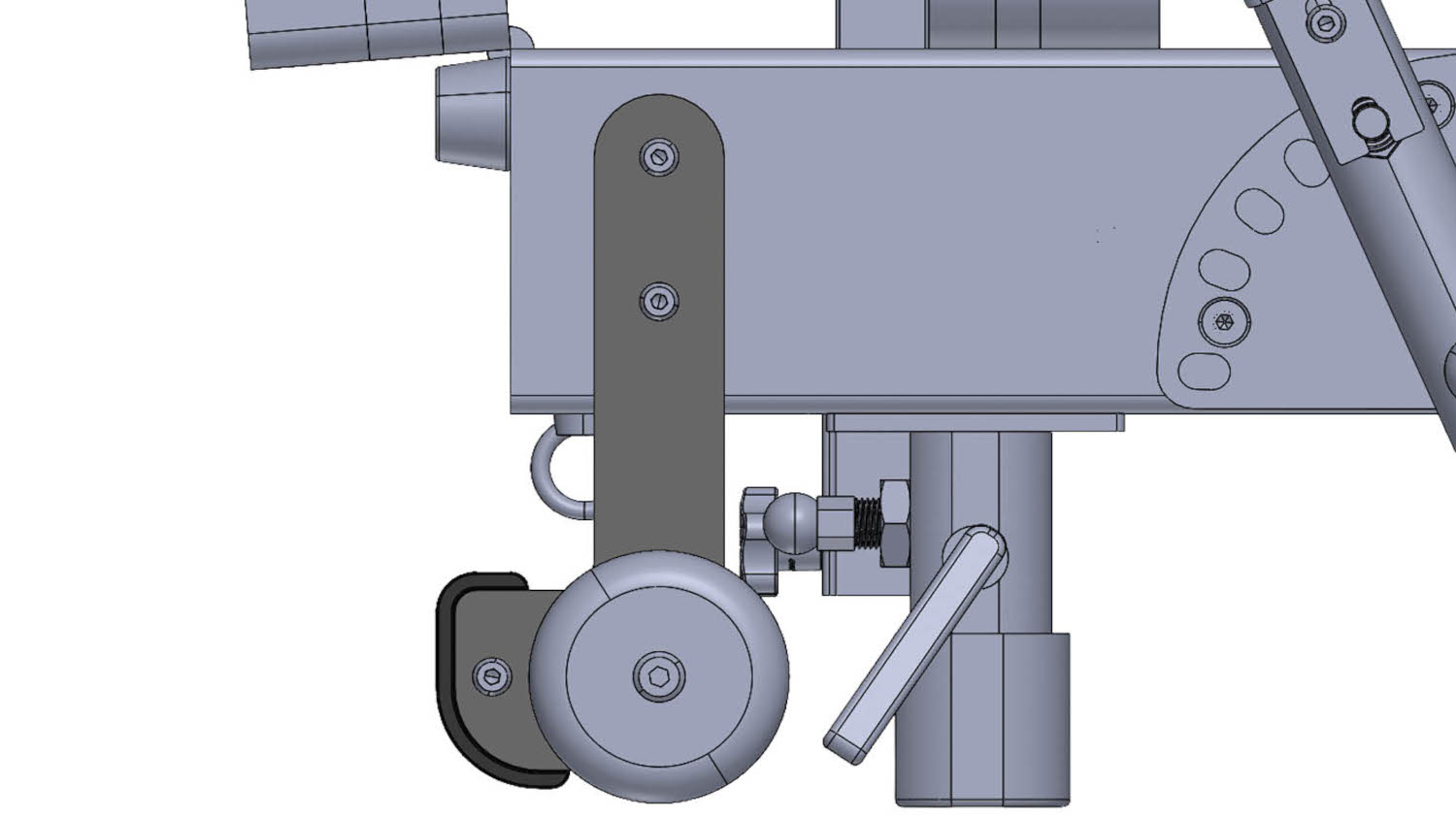
Develop 3D tells that the designers focused on the user experience of setup and storage. Early versions used wheels that made the bed too mobile, causing instability during folding. IDC’s redesign introduced a spring-assisted folding mechanism and a stable rolling foot that lets users unfold or collapse the reformer with minimal effort. One side of the bed glides smoothly, while rounded feet on the other provide grip and balance. This progressive unfolding system improves everyday usability and makes storage straightforward.
Engineering and prototyping relied on Dassault Systèmes SolidWorks for digital development and a Bambu Labs X1 3D printer to produce early parts for testing. Physical prototyping from the start helped the team feel and refine the mechanism in real space rather than relying solely on virtual simulation. That hands-on process shaped the joint structures and connector designs that make the folding process intuitive. Visualization tools such as KeyShot allowed assessment of finishes and materials before final manufacturing decisions were made. IDC’s office in Shanghai coordinated production with suppliers to bring the refined design to market.
The result is a reformer that brings professional-quality Pilates training into domestic environments without space penalties. By making storage and setup easier, Fôld and IDC lowered barriers for people who want to keep up with Reformer Pilates outside of studios, reflecting broader trends in home-fitness design and accessibility.
