

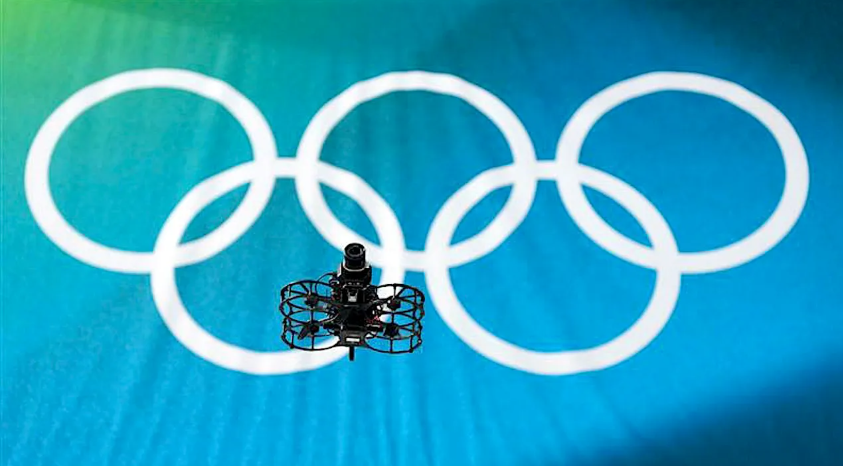
At the 2026 Milano Cortina Winter Olympics, first-person-view (FPV) drones have become a standout technology, transforming how viewers experience elite winter sports. These lightweight, agile devices are deployed by Olympic Broadcasting Services to follow athletes through alpine skiing, snowboarding, luge, speed skating, and other events, offering angles and motion that traditional fixed or cable cameras cannot match, tells Design News.
FPV drones weigh around 250 grams but are packed with capability. Pilots wearing special goggles steer them close behind competitors at speeds approaching competitive pace, capturing dynamic footage of line choice, technique, and environmental context that conveys the sensation of speed and athletic skill. This “third dimension” of coverage immerses audiences in the action rather than presenting static or distant shots.
The broadcast strategy behind these drones centers on conveying “movement in sport,” according to Olympic content directors. By integrating FPV footage with hundreds of other cameras, broadcasters provide a richer narrative of performance. Drones also capture real-time telemetry and variations in conditions, helping illustrate how athletes navigate courses and terrain.
This deployment follows limited use at Paris 2024, where FPV units documented mountain bike events. At the Winter Games, the technology is far more widespread, used both outdoors and in indoor arenas, and adapted for diverse disciplines. Each FPV team typically includes a pilot, director, and technician, working in tight coordination with broadcast producers to ensure safety and signal quality.
Audience reaction has been positive, with fans praising the immersive views and broadcasters calling the integration a leap forward in sports media. While the buzzing sound of drones has drawn some commentary, officials report no negative impact on competitor performance.
In sum, FPV drones at Milano Cortina are more than a novelty. They are a breakthrough in live sports production that brings fans closer to the heart of competition and signals a new era in how major events are captured and shared.
