

At London consultancy Remap, co-founders Jack Stewart and Ben Porter argue that coming up with better tools is as crucial as designing better buildings. Their firm helps AEC practices design their own software and workflows instead of waiting on off-the-shelf products, tells this AEC Magazine article.
The journey began from a feeling many architects share: sometimes the tools they rely on limit creativity rather than enhance it. Before Remap, Stewart and Porter ran digital design teams and ran multiple hackathons to explore pain points. They saw that small innovations, such as automated costing tools, layout scripts, and internal apps, could move from prototype to impact quickly.
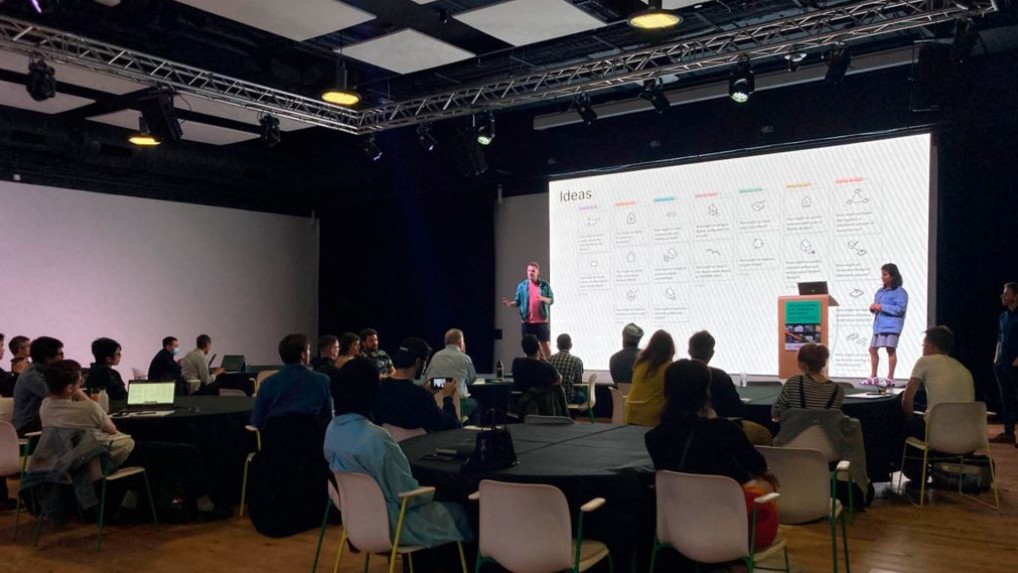
One of their flagship approaches is “Hero for a Day.” In this activity, team members propose ideas to fix issues or boost creativity; winners receive dedicated support to build and launch their solution quickly. The method encourages broad participation, often from people who wouldn’t normally be coding. It turns curiosity into practical tools.
A standout success is a stone-arch pavilion for Clerkenwell Design Week. Using computational design tools, scripts handled complex brick patterns, structural constraints, and aesthetics simultaneously. With Rhino.Inside.Revit and attractor-based modelling, iterations responded dynamically as form and design changed. The result was both buildable and visually compelling.
Remap continues running workshops, hackathons, and design-innovation sessions to help more teams unlock their internal creative potential. Their core belief: firms shouldn’t just use tools, they should build them when needed. That way, the shapes, systems, and spaces they design reflect imagination and real-world constraints, not just what the software lets them do.
