

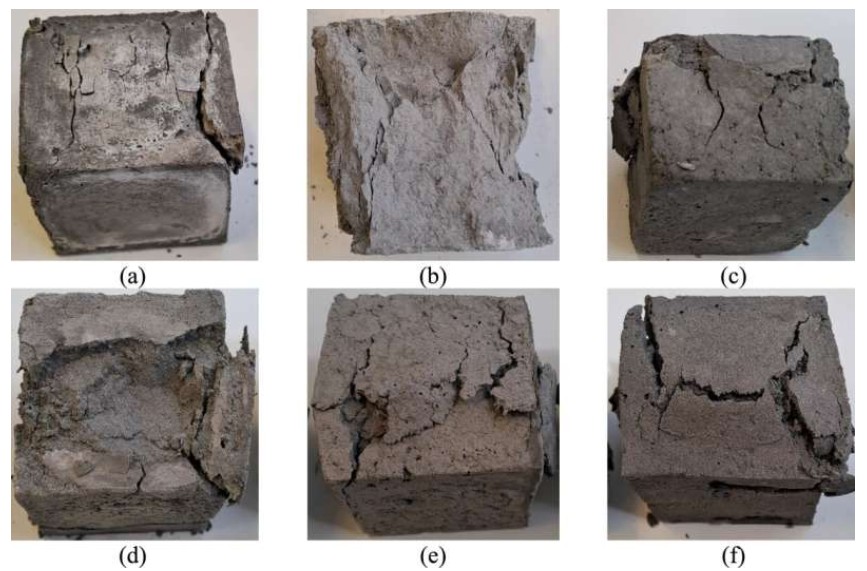
Researchers at Flinders University have demonstrated that a by-product of lithium processing, Delithiated β-spodumene (DβS), can be repurposed as a valuable ingredient in sustainable concrete, offering a promising route to reduce waste and carbon footprint, tells Tech Xplore.
DβS exhibits pozzolanic behavior, meaning it reacts chemically in alkaline environments to bind with other materials, a trait useful in geopolymer binders. When mixed under optimal conditions, DβS-based geopolymers showed improved mechanical properties and enhanced long-term durability.
This development holds environmental significance because conventional concrete production consumes massive quantities of natural resources and contributes approximately 8% of global greenhouse-gas emissions annually. By substituting traditional materials like fly ash with DβS, mining waste can be diverted from landfills, reducing landfill load and preventing potential soil or groundwater contamination.
Tests identified optimal ratios of alkaline activators for geopolymer mixes, clarifying how to integrate DβS effectively into concrete formulations.
Beyond environmental benefits, this innovation bridges the mining and construction sectors, transforming a waste stream into a resource and supporting circular economy practices.
Given rising lithium refining (driven by demand for batteries and EVs), DβS volumes are likely to grow, making this approach more relevant. Combined with other advances such as 3D printing of concrete and AI-driven mix optimization, DβS-based geopolymer concrete could help build greener, stronger infrastructure globally.
