

In an opinion article for The Engineer, the author argues that industrial energy waste remains one of the least discussed obstacles in the race toward net zero. While governments and corporations focus heavily on renewable energy, carbon accounting, and electrification, vast amounts of usable energy continue to be lost daily through inefficient industrial systems.
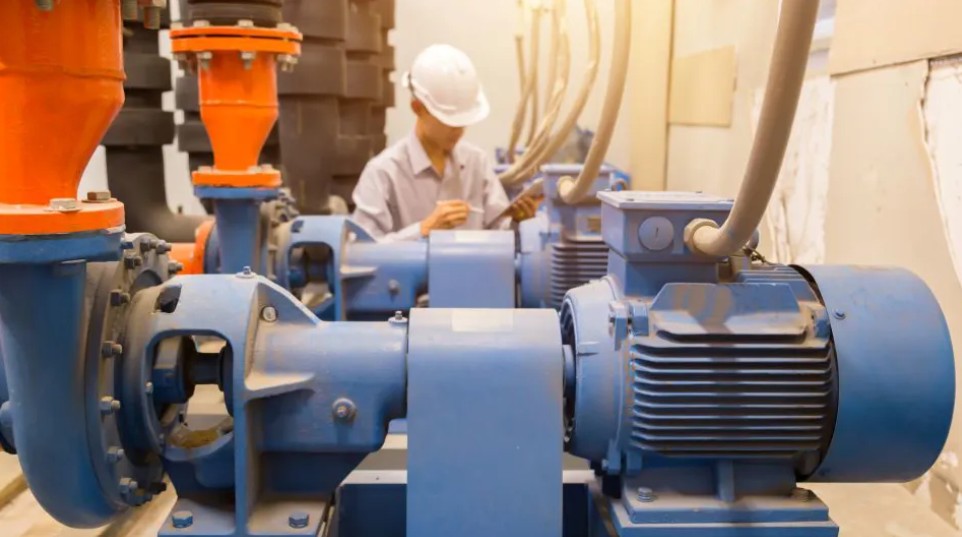
The article points particularly to motors, drives, compressed air systems, pumps, and legacy manufacturing equipment that consume far more energy than necessary. In many industrial facilities, these systems operate continuously regardless of actual production demand, creating avoidable waste that often goes unnoticed because it is treated as normal operational overhead. According to the argument presented, businesses frequently prioritize visible sustainability initiatives while ignoring inefficient infrastructure hidden inside factories and processing plants.
A major concern raised in the article is that energy efficiency rarely receives the same attention or investment as more public-facing climate strategies. Organizations may invest in renewable electricity or publish ambitious environmental targets while continuing to lose significant energy through outdated machinery and poorly optimized operations. This disconnect creates, as the article describes, a blind spot in industrial decarbonization efforts.
The article also suggests that reducing industrial waste energy offers immediate and measurable gains compared to some longer-term climate technologies still under development. Improving motor efficiency, optimizing variable-speed drives, monitoring equipment usage, and modernizing factory systems could cut emissions while lowering operational costs at the same time. The author frames these measures not as experimental climate solutions but as practical engineering improvements available today.
Underlying the discussion is a broader message about engineering culture. Sustainability, the article argues, should not depend solely on headline technologies or large infrastructure projects. Incremental efficiency improvements inside industrial systems may ultimately deliver some of the fastest and most economically realistic progress toward net-zero goals. By treating wasted energy as a solvable engineering problem rather than an unavoidable byproduct of manufacturing, industries could uncover significant untapped potential in the global decarbonization effort.
