

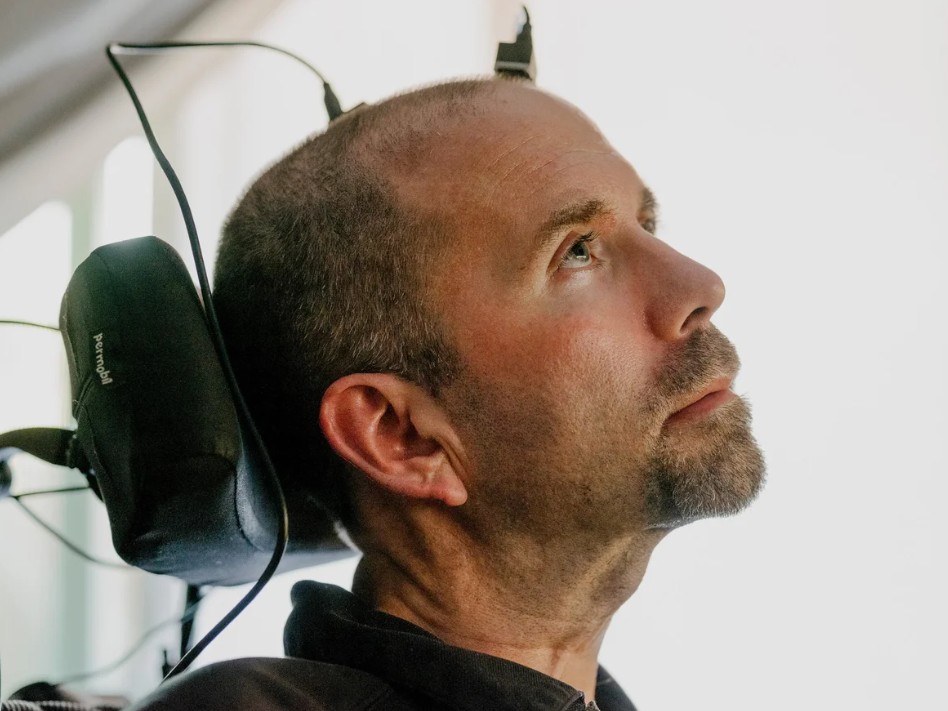
Early brain-computer interface (BCI) breakthroughs have focused on technical capability, but attention is now shifting toward something less visible and far more complex: user experience. The article from IEEE Spectrum argues that performance metrics such as speed and accuracy no longer tell the full story. What ultimately determines success is whether people can use these systems comfortably, reliably, and over long periods.
BCIs work by translating neural signals into commands, enabling users to control computers, prosthetics, or communication tools directly with their thoughts. Yet this interaction is far from intuitive. Many systems require intense concentration, repeated training, and mental strategies that vary from person to person. What feels effortless in a lab setting can become exhausting or frustrating in daily use.
A central issue is variability. Brain signals differ not only between individuals but also within the same person over time. Fatigue, mood, and environment all influence performance, making consistency a persistent challenge. As a result, systems often require frequent recalibration, adding friction to the experience.
The article highlights the gap between laboratory success and real-world usability. In controlled settings, users may achieve impressive results, but those gains can degrade outside the lab. Everyday environments introduce noise, distractions, and practical constraints that current systems struggle to handle.
Design is becoming a critical factor. Researchers are exploring interfaces that reduce cognitive load, simplify mental commands, and adapt to individual users. Noninvasive and wearable systems aim to improve comfort and accessibility, moving away from bulky or intrusive hardware.
Another key insight is that BCIs should not demand constant attention. Borrowing from ideas such as calm technology, the goal is to create systems that fade into the background and respond naturally to intent rather than forcing users into rigid control patterns.
The broader message is clear: technical progress alone will not bring BCIs into mainstream use. The future depends on making them usable, adaptable, and genuinely human-centered, turning a powerful concept into a practical everyday tool.
