

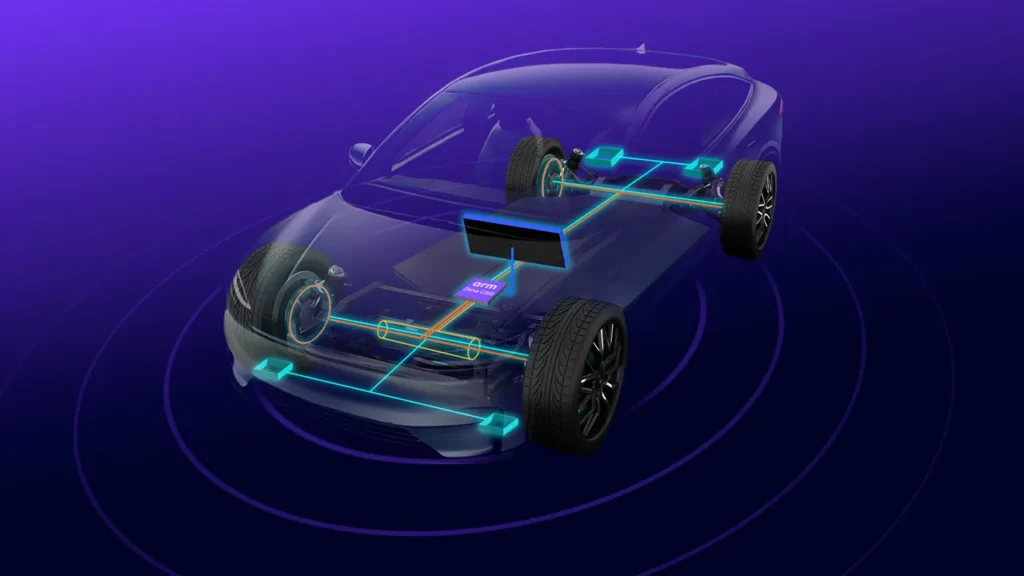
In a recent article in Design News, the author argues that artificial intelligence is poised to change not just the features of cars but also the very way vehicles operate and interact with people. The automotive industry has moved from basic software-defined vehicles toward systems where AI handles perception, decision-making, personalization, and safety by analyzing real-world data from cameras, radar, lidar, and in-cab sensors in real time. This shift marks the start of what the article calls the era of the AI-defined vehicle, in which intelligence is embedded into vehicle architecture rather than bolted on as an add-on.
The transition begins with the evolution of software platforms that support over-the-air updates, centralized computing, and flexible architectures. AI extends these capabilities by processing large volumes of sensor inputs on board the vehicle, enabling faster response times for safety-critical functions such as object detection, path prediction, and context-aware adaptation to changing environments. The article highlights that modern vehicles already execute AI tasks, including adjusting climate controls or seating based on driver behavior.
For AI to work effectively in cars, developers must manage the full lifecycle of models from cloud training to embedded deployment. That includes version control, safety validation, and strategies to roll back updates if needed safely. Designing consistent compute platforms across cloud and vehicle environments will be crucial for scaling AI features across fleets. Collaboration among original equipment manufacturers, Tier-1 suppliers, and software developers is essential to building the necessary ecosystem.
Ultimately, the article suggests that AI will make vehicles more context-aware, collaborative, and responsive to both drivers and their surroundings. Realizing this potential depends on integrating intelligence deeply into vehicle systems, aligning around open standards, and designing for both safety and scalability. The trajectory toward AI-defined vehicles is set, and the industry must embrace this evolution to deliver smarter, more adaptive automotive experiences.
