

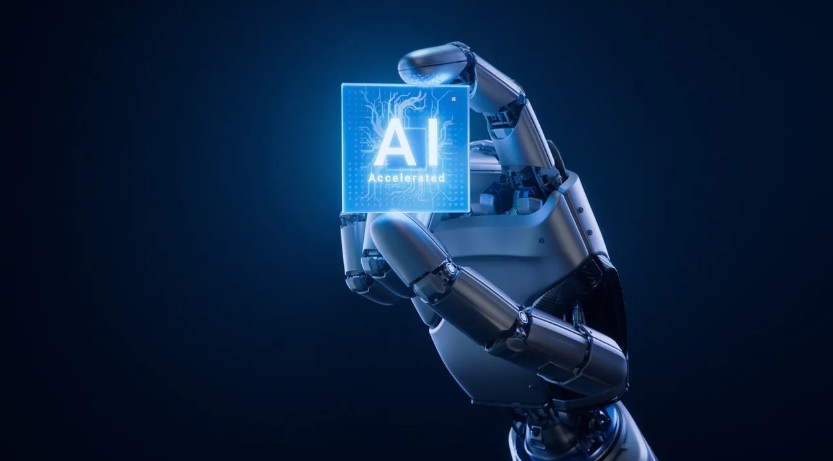
Manufacturing is undergoing a transformation as artificial intelligence, virtual reality, and advanced robotics converge to redefine production environments. A recent Design News feature highlights how these technologies are moving beyond isolated tools to become integrated systems that enhance efficiency, training, and operational decision-making.
Digital twins are central to this shift. These virtual replicas of physical systems allow engineers to simulate processes, test changes, and train workers in a risk-free environment before deploying them on the factory floor. By combining AI with simulation, manufacturers can identify inefficiencies, optimize workflows, and reduce costly errors during implementation.
Virtual reality plays a key role in workforce development. Immersive training environments enable operators to interact with complex machinery and processes without interrupting production. This approach accelerates learning while improving safety, particularly in high-risk or precision-driven tasks.
Meanwhile, advanced robotics is becoming more adaptable. Vision-enabled robots equipped with AI can adjust to variations in parts, lighting conditions, and positioning, allowing them to operate effectively in dynamic environments. Unlike traditional robots limited to repetitive tasks, these systems can respond to real-world variability, expanding their usefulness across manufacturing workflows.
Predictive maintenance is another major advantage. AI systems analyze operational data to anticipate equipment failures before they occur, reducing downtime and extending machine life. This shift from reactive to predictive strategies helps manufacturers maintain continuous production and improve overall reliability.
The article frames these developments as part of a broader evolution toward smarter, more connected factories. By integrating AI, VR, and robotics into cohesive systems, manufacturers are building environments that are not only automated but also adaptive and data-driven. The result is a production model where decisions are informed in real time, risks are minimized, and efficiency is continuously optimized.
