

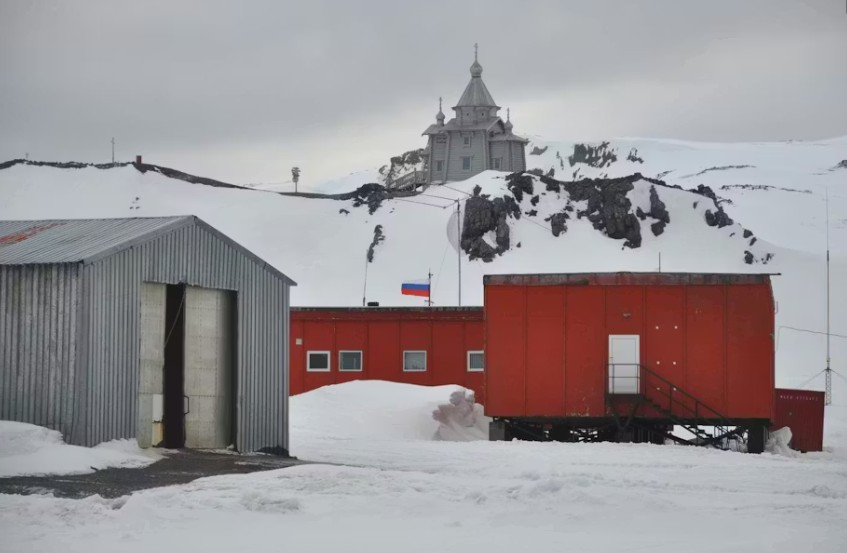
A recent Machine Design article profiles the deployment of advanced Wattsan laser welding and marking equipment at Russia’s Bellingshausen Station on King George Island in Antarctica. The installation brings industrial-grade laser technology to one of the harshest climates on Earth, with the goal of proving that such systems can support metalwork and maintenance tasks where traditional tools struggle. Engineers and station personnel worked through unique challenges to adapt the machines for sustained operation in subzero temperatures, high humidity, and limited logistical support.
The centerpiece of the effort is a 3000-watt multifunctional Wattsan 4in1 laser welding and cleaning system paired with a 30-watt MOPA laser marker. These tools were chosen for their versatility: the welding system combines cutting, welding, cleaning, and surface prep without the consumables required by conventional welding gear, and the marker offers precise inscription capabilities. Their combined use reduces dependency on electrodes, inert gases, and bulky support equipment that would be difficult to ship and store in Antarctica.
Design adaptations and rigorous testing under Antarctic-like conditions proved critical. Engineers added low-temperature cooling subsystems, extra insulation, and customized controls to ensure reliable operation despite extreme cold and frequent power fluctuations at the outpost. The machines underwent lab tests that simulated Antarctic temperature swings before deployment to minimize field failures.
Installation at the research station has provided practical lessons in resilience engineering. Station leaders and Wattsan engineers collaborated on maintenance protocols, operator training, and contingency planning so that personnel unfamiliar with laser systems can run and troubleshoot them. Those operational practices matter as teams at remote research bases often must complete repairs without the benefit of onsite technical support.
The Antarctic project illustrates that modern laser welding can extend beyond factory floors into remote field environments if designers anticipate environmental stressors. It also offers a model for future deployments of advanced fabrication tools in challenging settings where traditional metalworking would be impractical or impossible.
