

The rapid rise of lithium-ion batteries has transformed electric vehicles, but engineers are increasingly recognizing that older battery technologies still have an important role to play. The IEEE Spectrum article explores why lead-acid batteries, a technology dating back more than 160 years, continue to be used in many modern EVs and may remain relevant despite advances in lithium-based systems.
Most electric vehicles rely on large lithium-ion battery packs to power their motors, but they also require a low-voltage electrical system to operate computers, lighting, safety equipment, sensors, and other accessories. Traditionally, this role has been filled by 12-volt lead-acid batteries. While lithium-ion batteries offer superior energy density and longer lifespans, lead-acid batteries remain attractive because they are inexpensive, reliable, well understood, and supported by a mature global manufacturing and recycling infrastructure.
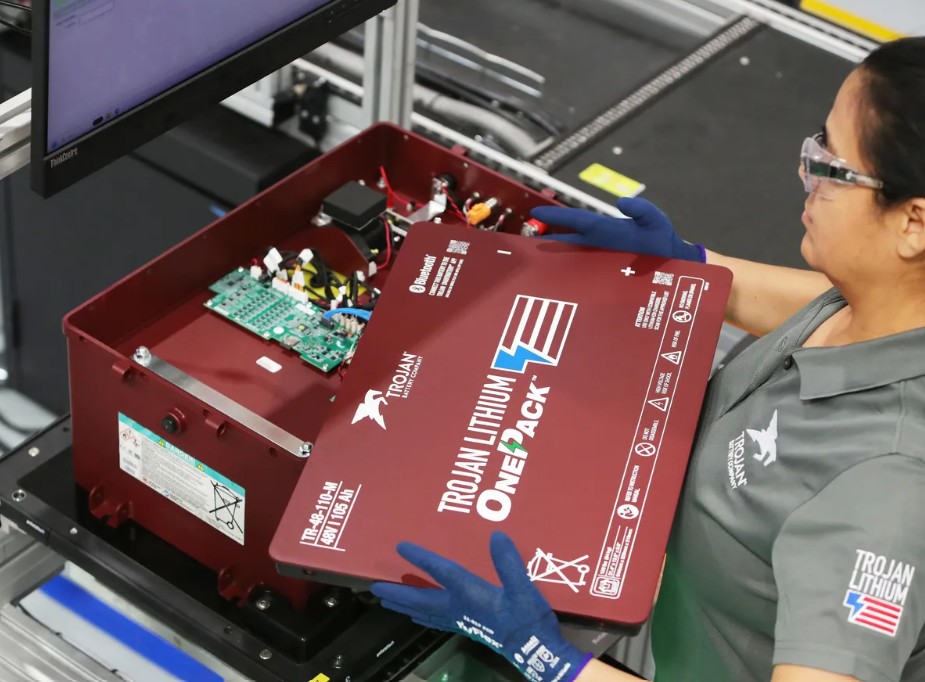
The article explains that automakers are gradually transitioning from conventional 12-volt architectures to higher-voltage systems, such as 48-volt electrical networks. These systems can improve efficiency and support the growing number of electronic features found in modern vehicles. Even so, engineers must carefully balance cost, safety, durability, and serviceability when selecting battery technologies for auxiliary functions.
Another factor favoring lead-acid batteries is their ability to tolerate specific operating conditions and provide dependable backup power. In many vehicles, the auxiliary battery serves as a critical safety component, ensuring that essential systems remain operational even if the main traction battery is disconnected or experiences a fault.
Researchers and manufacturers are also exploring advanced lead-acid designs that improve performance and extend battery life. At the same time, lithium-based alternatives for low-voltage systems are becoming more common as costs decline and battery-management technologies improve.
The article argues that the future of vehicle electrification will not necessarily be dominated by a single battery chemistry. Instead, engineers are likely to employ a mix of technologies tailored to specific functions. In that context, lead-acid batteries continue to demonstrate value, proving that even in the age of lithium-ion innovation, established technologies can remain an important part of automotive engineering.
