

A return to hands-on engineering is reshaping how aerospace is taught. The MIT News article describes the revival of an introductory aerospace course at MIT that immerses first-year students in a full design-build-fly experience, culminating in launches to the edge of the stratosphere. Instead of focusing only on theory, the course emphasizes practical problem-solving, teamwork, and real-world constraints.
Students are organized into teams and tasked with designing small payloads capable of surviving and operating in near-space conditions. These payloads, built around compact electronics such as Arduino systems, include sensors, GPS tracking, and radio communication modules. Each team must consider weight, power consumption, structural integrity, and data transmission, mirroring the challenges faced in professional aerospace projects.
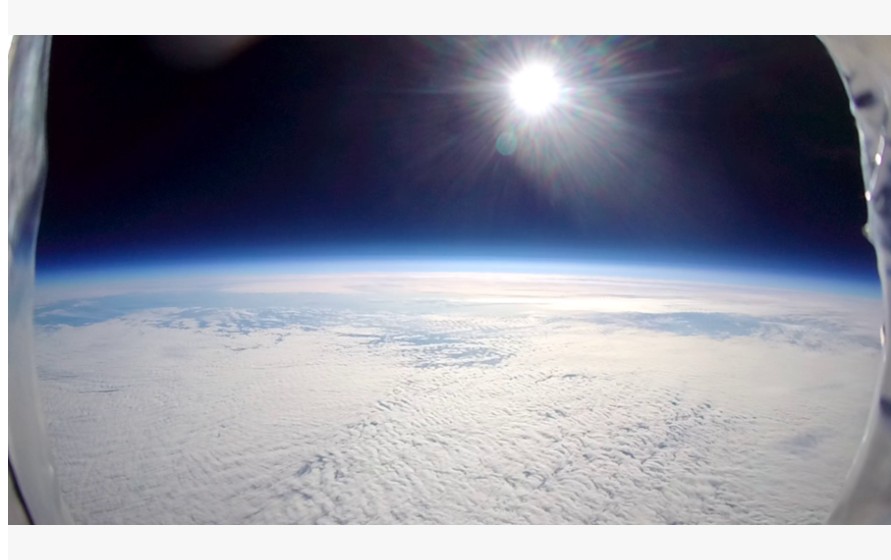
The culmination of the course is a high-altitude balloon launch conducted in the Catskills. The balloons carry the student-built payloads tens of kilometers above Earth, reaching the edge of the stratosphere. At this altitude, the environment presents extreme cold, low pressure, and limited atmospheric protection, providing a realistic test of engineering decisions.
During flight, the payloads collect data and transmit information back to the ground. Students then track, recover, and analyze their systems, gaining insight into both successes and failures. This full lifecycle experience, from concept to recovery, reinforces the importance of iteration and resilience in engineering design.
The course reflects a broader shift in engineering education toward experiential learning. By engaging students early with real missions, it builds intuition that traditional lectures alone cannot provide. It also exposes them to interdisciplinary challenges, combining mechanical design, electronics, software, and systems thinking.
Ultimately, the program demonstrates that meaningful aerospace education does not require large-scale infrastructure. With relatively simple tools and carefully designed challenges, students can engage directly with the edge of space, gaining a deeper understanding of both the possibilities and limitations of flight.
