

Data centers are increasingly adopting lithium-ion batteries at the rack level to meet growing power demands and deliver faster, more compact backup solutions. This article from Design News highlights that in 2020 about 15% of data centers used lithium-ion batteries, and that figure is projected to reach nearly 40% by 2025.
However, shifting from traditional lead-acid or facility-level UPS systems to server-level lithium-ion battery backup units (BBUs) introduces new hazards. One major risk is thermal runaway, where a cell failure triggers rapidly increasing heat and flame that can propagate across adjacent units. Because many existing data-center facilities lack “dangerous-goods rooms” designed for hazardous materials, storing and switching these batteries presents logistical and compliance challenges.
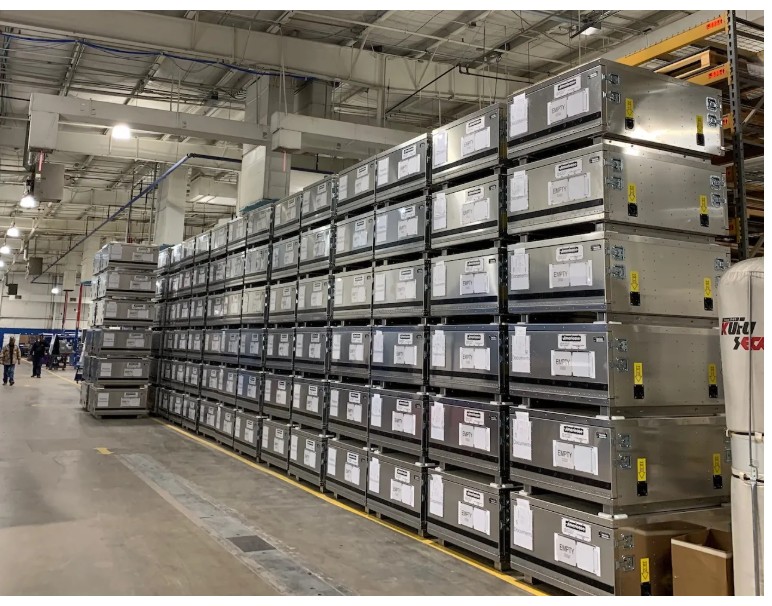
To address these risks, the article describes engineering containment solutions for lithium-ion BBUs: containment cases with specific criteria during thermal-runaway events (no flames escape, structural integrity maintained, toxic gas venting controlled) and materials-engineering design that balances thermal conductivity, structural strength, weight optimization, and corrosion resistance. The article points out that conventional fire-protection strategies aren’t sufficient; data-center operators must engage early with fire marshals, conduct thorough risk assessments, and choose containment systems tested with real BBUs in situ.
Deploying lithium-ion backup at the rack level offers critical performance benefits, but demands a redesign of how data centers approach safety, compliance, and engineering. Operators must integrate multidisciplinary engineering, rigorous testing, and regulatory alignment from the start rather than treating safety as an afterthought.
