

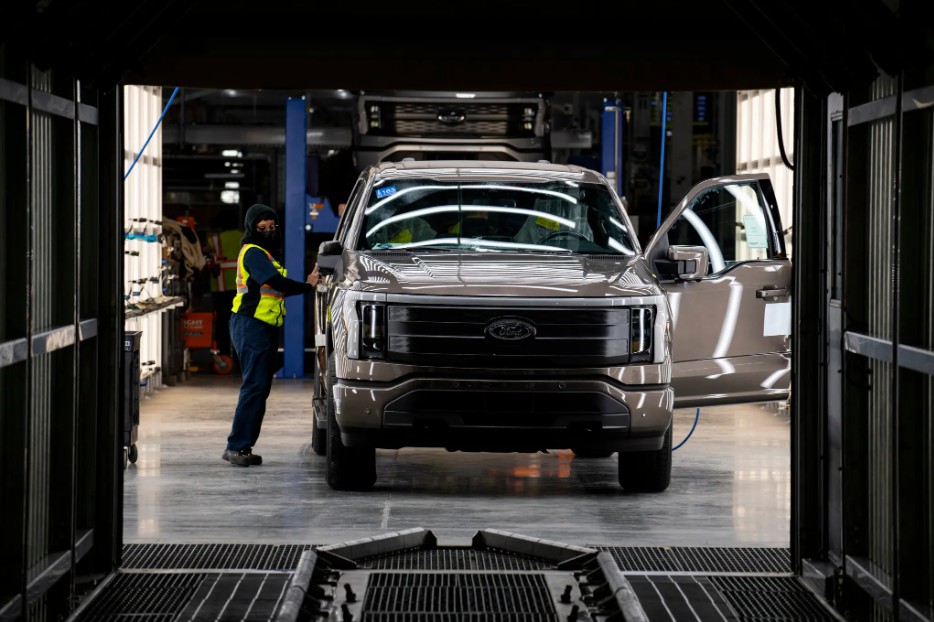
According to an article in The New York Times, the luxury electric-vehicle segment is hitting turbulence after years of rapid growth. The departure of the US $7,500 federal tax credit for EVs has accelerated a decline in demand for pricey models such as the Ford F‑150 Lightning, GMC Hummer EV, and top-tier offerings from Tesla.
Dealerships report sharp drops in orders. At one Arizona Ford outlet, sales of the F-150 Lightning, which starts around US$55,000 and can exceed US$85,000, fell significantly after incentives expired. Major automakers are pausing or cutting production of luxury EVs: GM has scaled back its Hummer EV line and reduced shifts; Tesla is trimming output of its Model S, Model X, and Cybertruck; Honda dropped its Acura ZDX EV.
Analysts point out several converging factors. With incentives gone, expensive EVs must compete on price and value alone, a tough proposition when resale values are weak and lease deals less attractive. Jessica Caldwell of Edmunds noted that affordability is becoming a critical barrier in this segment. Meanwhile, more buyers are gravitating toward mainstream EVs with starting prices around US$35,000, such as the Chevrolet Equinox EV and Hyundai Ioniq 5, leaving the luxury tier vulnerable.
The article suggests this shift could be a relief for automakers. Many luxury EVs were sustaining significant losses, so lower volumes mean fewer losses but also less growth. For the manufacturing and design teams focused on high-end EVs, this means prioritizing cost control, scaling demand, and re-evaluating value propositions. As the market pivots, luxury EV models may need to justify premium pricing not only through performance or brand, but through ownership cost, resale stability, and incentives.
In essence, the luxury EV boom is showing signs of fatigue. Automakers, designers, and engineers planning future models must now factor in affordability, leasing dynamics, and shifting buyer priorities if the segment is to remain viable.
