

Motion systems are undergoing a fundamental shift, moving from static, preprogrammed mechanisms to adaptive platforms capable of learning and responding to changing conditions. A recent article in Machine Design highlights how advances in artificial intelligence, control systems, and actuator technologies are converging to redefine what machines can do.
Traditionally, engineers focused on optimizing parameters such as torque curves and motion profiles within fixed operating conditions. Today, adaptive motion systems are rewriting that model by embedding intelligence directly into machines. These systems integrate control, perception, and autonomy, allowing them to adjust behavior dynamically based on real-time inputs.
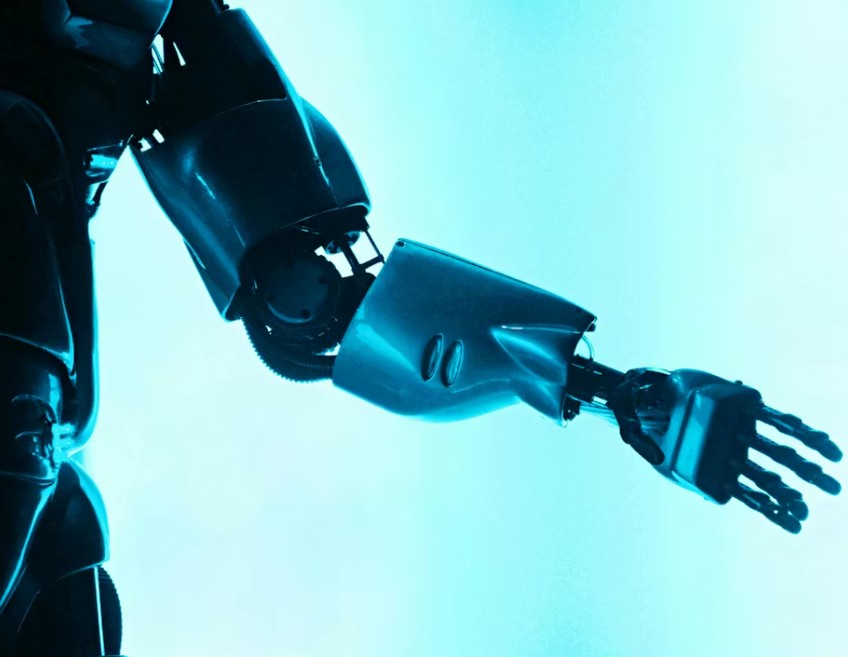
Humanoid robots provide a clear example of this transition. They combine advanced actuators, compliant structures, and AI-driven control to operate in unstructured environments, where variability is the norm. As costs decline and performance improves, these systems are approaching practical industrial deployment, enabling more flexible and task-specific automation.
The article emphasizes that motion systems are no longer delivered as isolated components but as fully integrated platforms. Suppliers are increasingly expected to provide complete solutions that combine hardware, software, and intelligence into cohesive systems. This shift reflects broader changes in automation, where machines must not only execute tasks but also adapt and learn from their operating environment.
Another key development is the role of intelligent design tools, which are accelerating prototyping and enabling engineers to iterate more quickly. These tools, combined with adaptive control algorithms, allow motion systems to evolve alongside the demands placed on them, improving performance over time.
The result is a new generation of machines that function less like rigid mechanisms and more like coordinated systems capable of decision-making. This transformation signals a broader evolution in engineering, where adaptability, integration, and intelligence are becoming essential design principles.
