

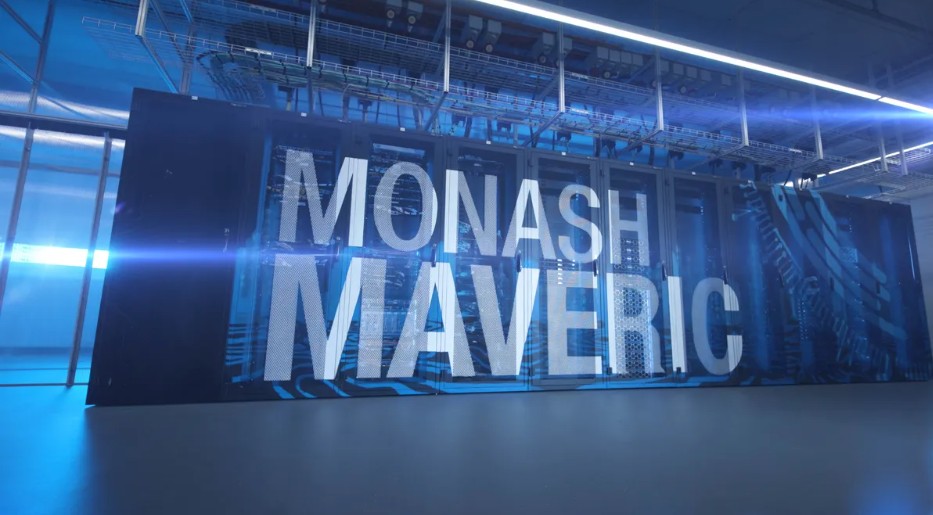
Melbourne is emerging as a significant testing ground for the future of AI-driven data centers, where rising computational demand is forcing engineers to rethink power delivery, cooling systems, and infrastructure design. As artificial intelligence models grow larger and more energy-intensive, researchers and technology companies are searching for ways to prevent data centers from becoming unsustainable in both energy consumption and environmental impact.
The IEEE Spectrum article highlights how AI workloads are rapidly transforming the economics and engineering of computing infrastructure. Traditional data centers were designed around predictable enterprise workloads, but generative AI systems require vastly higher concentrations of processing power. This shift is creating severe thermal and electrical challenges, particularly as advanced AI chips consume increasing amounts of energy and generate more heat.
Melbourne has become an important location for experimentation because of its expanding technology sector and research ecosystem. Engineers are exploring alternative cooling methods, including liquid cooling systems that can manage the heat produced by dense AI hardware more efficiently than traditional air-cooling approaches. These technologies are increasingly viewed as necessary rather than optional as chip power demands continue climbing.
Energy infrastructure has also become a central concern. Researchers and companies are investigating ways to integrate renewable energy sources, battery storage, and smarter grid management into large-scale computing facilities. AI itself is being used to optimize energy use inside data centers by dynamically adjusting workloads and cooling operations in response to changing conditions.
The article also examines broader questions about the future geography of computing infrastructure. As power availability becomes a limiting factor, data center expansion may increasingly depend on proximity to renewable energy generation and regions capable of supporting large electrical loads. This could reshape where future AI infrastructure is built and how cities plan for digital growth.
Beyond the technical details, the developments in Melbourne reflect a larger transformation underway across the global technology industry. AI is no longer just a software challenge. It is becoming an infrastructure challenge that touches energy systems, urban planning, thermal engineering, and sustainability. The next phase of artificial intelligence may depend as much on breakthroughs in physical infrastructure as on advances in algorithms themselves.
