

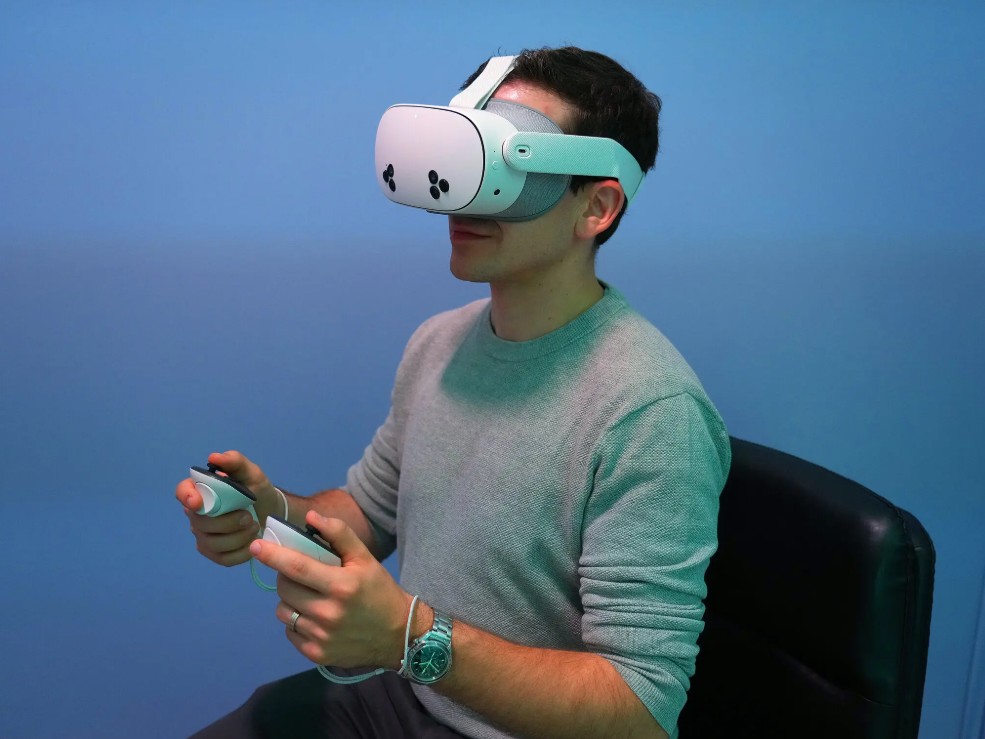
Meta is preparing to cut 10–30% of the workforce in its Metaverse unit within the Reality Labs division, according to employees familiar with the plans. The cuts could begin as early as next month, though the final number of layoffs remains uncertain. The affected unit is responsible for Meta’s virtual reality headsets and its VR-based social platform. Other Reality Labs teams focused on smart glasses, wristbands, and wearable devices are not expected to face similar reductions, tells The New York Times.
Meta is not abandoning the metaverse entirely. Instead, the company plans to redirect funding from virtual reality projects into its fast-growing augmented reality glasses business. Meta launched its Ray-Ban smart glasses in 2021 with built-in cameras and microphones for calls and music. More recently, the company added a voice-based AI assistant that lets users interact with the device hands-free. Sales of the glasses have exceeded internal expectations, making them one of Reality Labs’ few commercial successes.
Meta spokeswoman Nissa Anklesaria confirmed the shift in investment, stating that the company is reallocating resources toward AI glasses and wearables due to strong momentum in that category.
The pullback highlights the financial strain of Meta’s metaverse strategy. Since 2021, Reality Labs has recorded over $70 billion in losses. While the company achieved major technical advances in virtual reality, mass consumer adoption never followed. Investor concern has grown as Meta simultaneously commits tens of billions of dollars to artificial intelligence infrastructure and data centers.
Competitive pressure in VR has also eased. As Apple and Google slowed their own virtual reality efforts, Meta executives concluded the company could safely decelerate its VR push.
At this year’s developer conference, Mark Zuckerberg unveiled three new smart glasses lines, including models with built-in displays powered by AI. He has also hired former Apple designer Alan Dye to lead a new creative studio inside Reality Labs focused on blending design, fashion, and wearable technology.
