

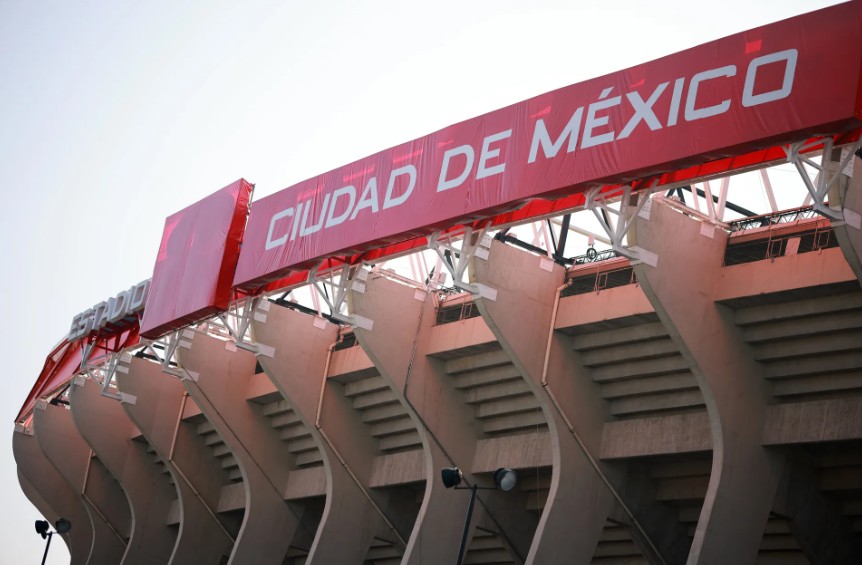
As preparations continue for the 2026 FIFA World Cup, Mexico’s host stadiums are drawing attention not only for their sporting significance but also for their environmental achievements. According to Wired.com (full article available to subscribers), several Mexican venues have earned FIFA’s environmental certifications by implementing comprehensive sustainability measures designed to reduce their ecological footprint while improving operational efficiency.
The certification process evaluates facilities across a range of environmental criteria, including energy use, water management, waste reduction, transportation, and community engagement. Rather than focusing on a single technological solution, the participating stadiums adopted broad sustainability strategies that integrate environmental considerations into daily operations and long-term planning.
One of the key areas of improvement has been energy efficiency. Stadium operators have upgraded lighting systems, optimized energy consumption, and introduced monitoring technologies that help reduce electricity usage during events and routine operations. These measures not only lower emissions but also reduce operating costs over time.
Water conservation has been another major focus. Given the water challenges faced by many regions of Mexico, stadium managers implemented systems to improve water efficiency, reduce waste, and encourage responsible resource management. These efforts are particularly important for large venues that host tens of thousands of spectators during major events.
Waste management initiatives also played a central role in achieving certification. Programs aimed at increasing recycling rates, reducing landfill disposal, and encouraging responsible waste handling have become part of the venues’ operational practices. In addition, transportation planning seeks to promote lower-emission travel options for spectators and staff, helping reduce the environmental impact associated with large sporting events.
The article emphasizes that sustainability efforts extend beyond tournament preparation. FIFA’s certification framework encourages facilities to embed environmental responsibility into long-term operations rather than treating it as a temporary requirement tied to the World Cup. This approach creates lasting benefits for stadium operators, local communities, and future events.
Mexico’s certified venues demonstrate a growing trend in sports infrastructure, where environmental performance is becoming as important as spectator experience and operational reliability. As global sporting organizations face increasing pressure to address climate and resource challenges, these stadiums offer a model for integrating sustainability into large-scale event facilities while maintaining world-class standards for competition and fan engagement.
