

Semiconductor manufacturing has long been defined by massive clean rooms, billion-dollar facilities, and production pipelines accessible only to governments or global corporations. A recent feature from IEEE Spectrum examines how startup InchFab is trying to shrink that model into something far more accessible: compact semiconductor fabrication systems small enough for universities, research labs, and emerging hardware companies.
The company’s approach centers on “mini fabs,” modular fabrication environments designed to perform many of the same chipmaking processes used in conventional semiconductor plants but at a fraction of the cost and scale. Rather than spending billions on industrial infrastructure, institutions could potentially establish experimental production lines for several million dollars. The concept targets a growing frustration across engineering education and hardware innovation: researchers can design chips digitally, but few have practical access to real fabrication facilities.
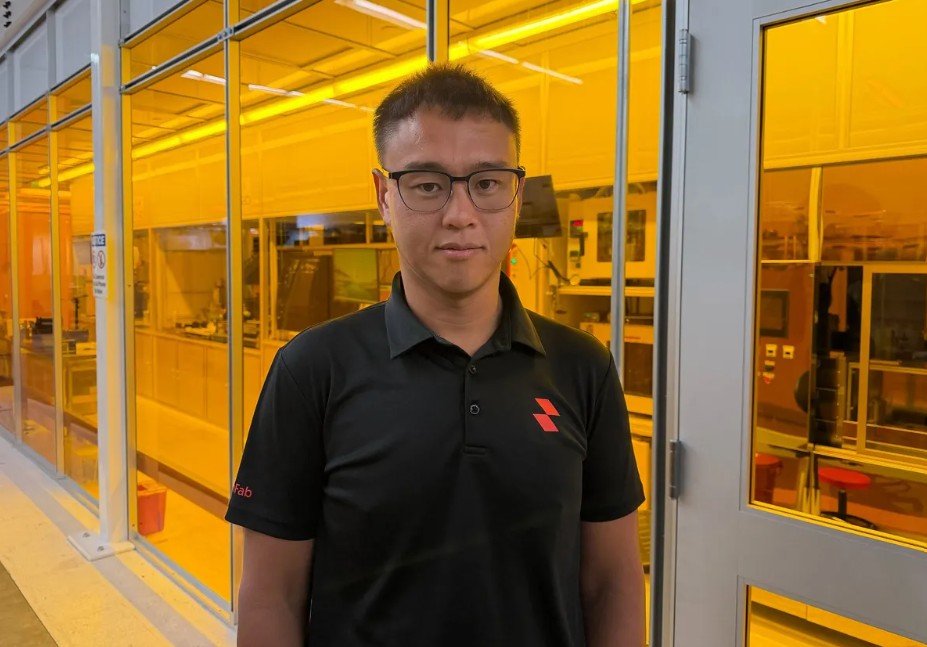
InchFab cofounder Mitchel Hsing argues that the shortage is not only about manufacturing capacity but also about training. Modern semiconductor production has become so centralized and expensive that many engineering students graduate without hands-on exposure to fabrication workflows. Compact fabs could allow universities to teach lithography, etching, deposition, and process integration directly rather than relying solely on simulations or outsourced manufacturing.
The article positions the idea within a broader shift in semiconductor strategy. As geopolitical tensions and supply-chain concerns push nations to rebuild domestic chip expertise, smaller fabrication platforms may become valuable tools for experimentation and workforce development. While mini fabs cannot compete with advanced facilities producing cutting-edge processors, they could support prototyping, sensor research, specialty devices, and educational programs.
IEEE Spectrum also highlights the historical significance of fabrication accessibility. Semiconductor innovation once emerged from smaller laboratories and research groups before manufacturing consolidated into highly capital-intensive megafabs. InchFab’s systems attempt to restore part of that earlier experimental culture by lowering entry barriers for hardware creators.
