

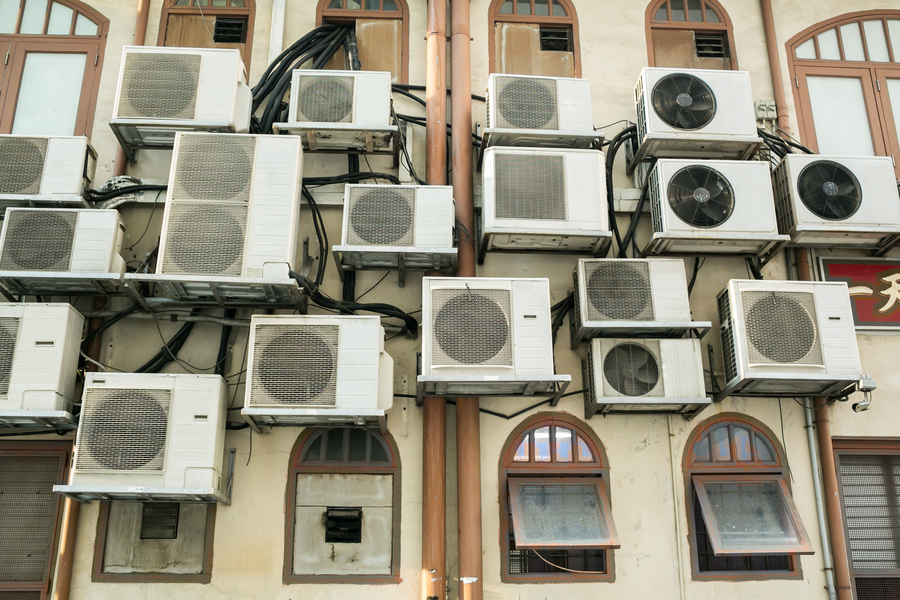
in the old town at singapore city
As extreme heat becomes one of the most pressing consequences of climate change, researchers and students at MIT are developing innovative approaches to help communities adapt. A recent showcase of projects supported through MIT’s J-WAFS Grand Challenge and related programs highlighted a range of technologies and strategies aimed at reducing heat-related risks, improving public health, and strengthening infrastructure resilience.
The projects recognize that extreme heat is no longer an isolated environmental concern but a widespread challenge affecting cities, transportation systems, water resources, energy consumption, and human well-being. Rising temperatures disproportionately impact vulnerable populations, including outdoor workers, low-income communities, and people living in densely built urban areas where the urban heat island effect can significantly increase temperatures.
Several teams are exploring ways to better understand and manage heat exposure through advanced sensing technologies, data analytics, and predictive modeling. These tools can help city planners and public officials identify neighborhoods at greatest risk, improve emergency response planning, and develop targeted interventions to reduce heat-related illnesses.
Other projects focus on engineering solutions that can mitigate heat directly. Researchers are investigating innovative materials, cooling technologies, and urban design strategies that can reduce temperatures in buildings and public spaces. These approaches aim to improve comfort and safety while lowering the energy demands associated with air conditioning and other cooling systems.
A key theme throughout the initiatives is the integration of scientific research with practical implementation. The teams are working closely with communities, policymakers, and industry partners to ensure that proposed solutions can be deployed effectively and scaled to address real-world challenges. By combining engineering, climate science, public health, and data-driven decision-making, the projects seek to create adaptable strategies for diverse environments.
The MIT effort reflects a broader shift in climate research from understanding environmental change to developing actionable solutions. As heat waves become more frequent, intense, and prolonged across many regions of the world, the need for resilient infrastructure and effective adaptation measures continues to grow.
Through interdisciplinary collaboration and innovation, these projects demonstrate how engineering and scientific research can help communities prepare for a future in which extreme heat is an increasingly common reality.
