

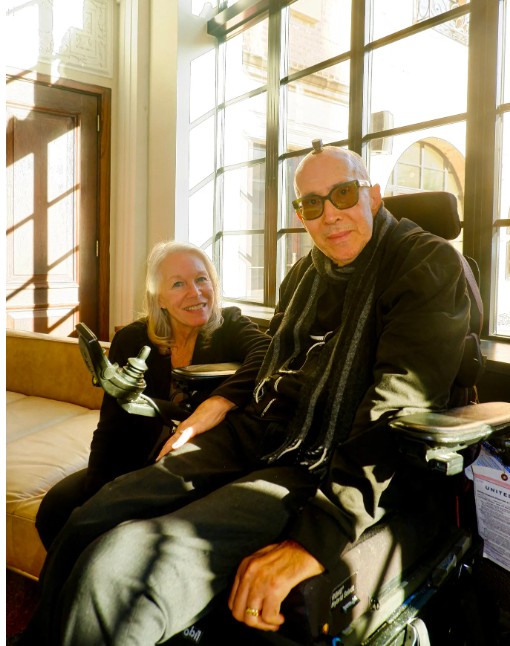
A new chapter in brain-computer interface research is emerging, one that extends beyond restoring movement or communication into the realm of creative expression. The Wired.com article profiles Galen Buckwalter, a 69-year-old quadriplegic who is using implanted neural devices to compose music directly from his brain activity.
Buckwalter received six implanted electrode arrays developed by Blackrock Neurotech as part of a research study. These implants detect neural signals associated with intended movement and translate them into digital commands. Initially designed to help paralyzed individuals control computers or regain limited sensation, the system has evolved in his case into a tool for artistic creation.
Working with a researcher at the California Institute of Technology, Buckwalter uses an algorithm that maps specific brain activity to musical tones. Instead of pressing keys or strumming strings, he imagines movements, and the system converts those signals into sound through a virtual interface. The result is a form of composition that bypasses traditional physical interaction entirely.
For Buckwalter, who has a background in music, the experience is both technical and deeply personal. He describes the process as learning to play a new kind of instrument, one that exists entirely within the brain. The sounds he generates have already been incorporated into a song titled Wirehead, demonstrating that neural output can function as a legitimate creative input.
The broader implication lies in redefining the purpose of brain-computer interfaces. While much of the field focuses on restoring lost abilities, Buckwalter’s work highlights the importance of creativity and enjoyment. Researchers are beginning to recognize that quality of life includes not only function but also expression, exploration, and agency.
This development suggests a shift in direction for neurotechnology. As interfaces become more refined, they may serve not just as assistive tools but as platforms for entirely new forms of human-computer interaction. Music created from neural signals is an early example, hinting at a future where thought itself becomes a medium for art.
