

The U.S. Department of Commerce has decided to nullify an agreement that would have allocated $7.4 billion in CHIPS Act research funding to Natcast, a nonprofit created in 2023 to manage the National Semiconductor Technology Center (NSTC), a hub aimed at advancing semiconductor R&D and workforce development. The agency has instead transferred operational control to the National Institute of Standards and Technology (NIST) based on legal concerns, reports IEEE Spectrum. Commerce Secretary Howard Lutnick argues that Natcast failed to meet certain legal requirements, thus invalidating the contract concluded just before President Trump’s recent inauguration.
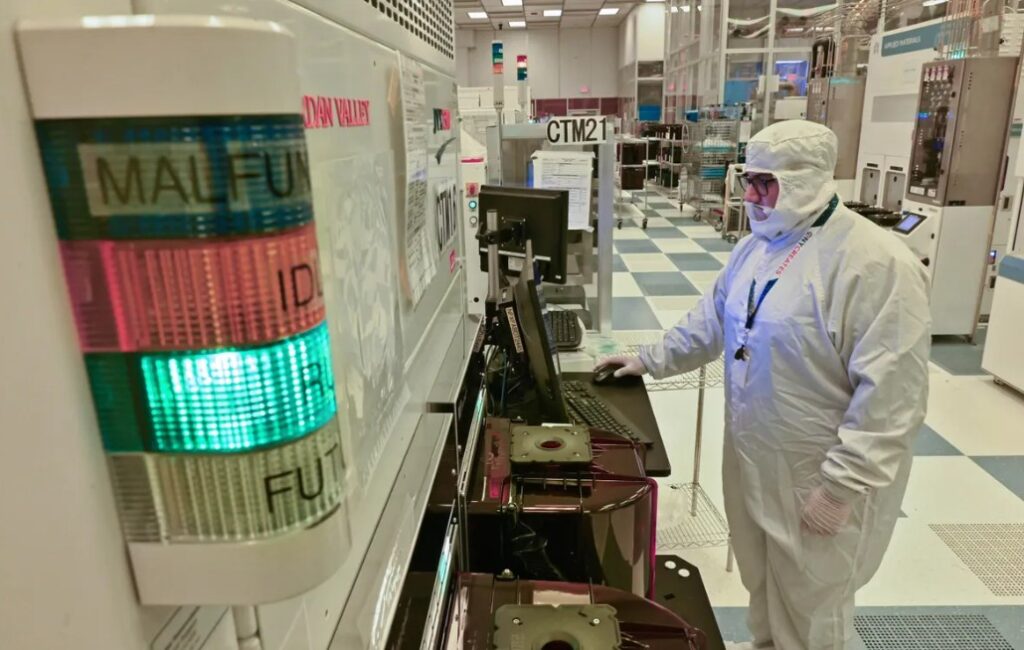
Natcast had already been laying the groundwork for three essential centers: a design and workforce development hub in Silicon Valley; an extreme-ultraviolet lithography (EUV) facility at Albany’s Nanotech Complex; and a prototyping and packaging site in Arizona. These are intended to help startups bridge the difficult gap between lab innovation and manufacturing, often called the lab-to-fab bottleneck.
Supporters of the NSTC warn that dismantling or delaying Natcast threatens the United States’ long-term edge in semiconductors. They note that the organization was structured to promote independence from political interference, a critical factor in sustaining durable innovation infrastructure.
Though some experts trust NIST to administer the funds effectively, others are concerned it may lack the strategic independence Natcast offered. Concerns run deep that political wrangling risks undermining the slow-building momentum of U.S. chip innovation.
