
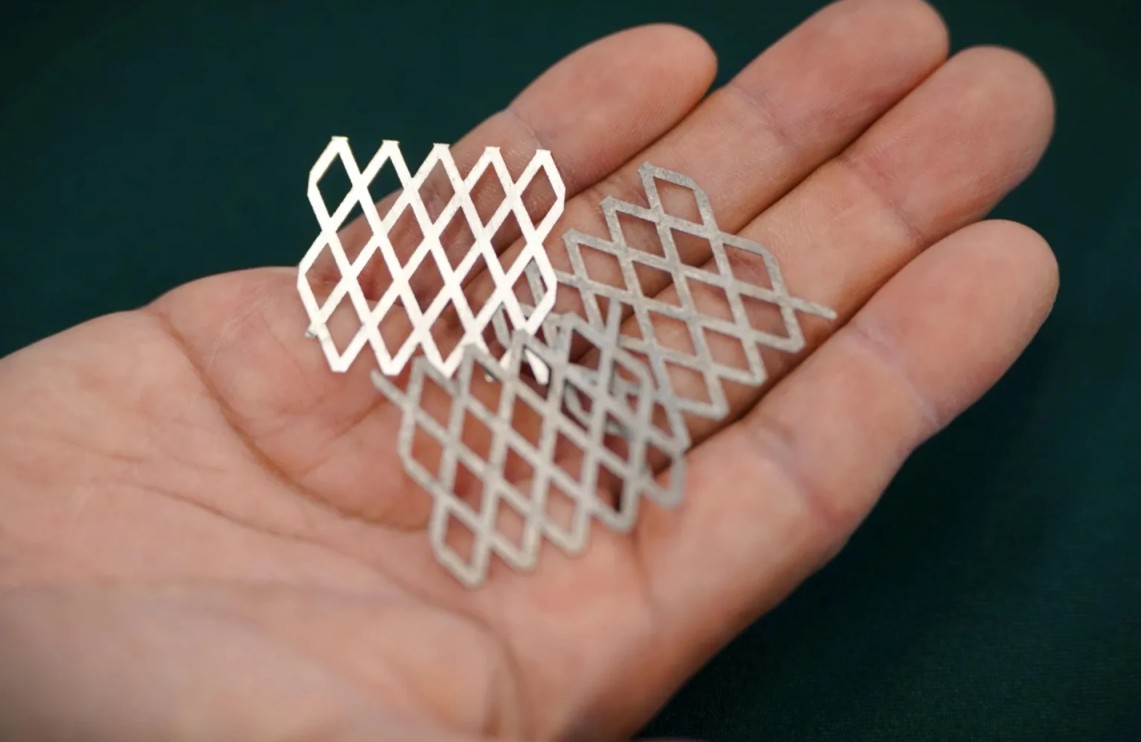
Researchers at the University of Hong Kong have developed stainless steel designed to withstand the harsh electrochemical conditions involved in hydrogen production. Called stainless steel for hydrogen, or SS-H₂, the alloy could eventually replace expensive titanium components in water electrolyzers and help reduce the capital cost of green hydrogen systems, tells New Atlas.
Water electrolysis uses electricity to split water into hydrogen and oxygen. When powered by renewable energy, the process can produce hydrogen with very low operational carbon emissions. Seawater could provide an abundant water source, but its chloride content creates a highly corrosive environment, particularly around the oxygen-producing anode. Conventional stainless steels struggle because their protective chromium oxide layer begins breaking down at high electrochemical potentials.
SS-H₂ addresses this problem through a mechanism the researchers call sequential dual-passivation. Initially, chromium forms the protective surface layer. At higher potentials, manganese begins forming another protective layer that takes over as chromium-based protection approaches its limits. This behavior is notable because manganese has traditionally been considered harmful to the corrosion resistance of stainless steel.
Tests in a 3.5% sodium chloride solution showed that SS-H₂ resisted corrosion at potentials up to about 1,700 mV, exceeding the roughly 1,600 mV associated with water oxidation under the researchers’ test conditions. The material also demonstrated performance comparable to titanium structural materials in a saltwater electrolyzer.
Cost could be a major advantage. Structural components can account for as much as 53% of the cost of a 10-MW proton exchange membrane electrolysis tank system. The researchers estimate that replacing gold- or platinum-coated titanium with SS-H₂ could reduce the cost of relevant structural materials by roughly 40 times. The team has already produced tonnes of SS-H₂-based wire with an industrial manufacturer, although long-term testing and large-scale manufacturing of components such as meshes and foams are still required.
