

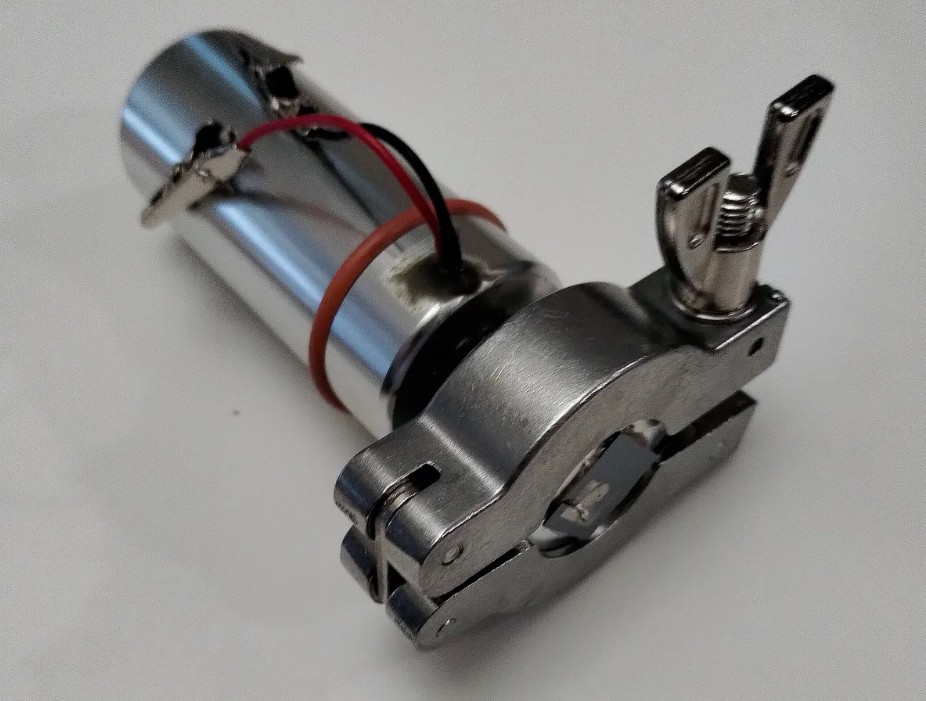
A recent article in IEEE Spectrum describes how Orbital Arc has developed a “nanotip” ion-thruster technology that significantly improves the efficiency of electric propulsion systems. The key innovation lies in the use of extremely fine emitter tips that reduce ion-loss and plume divergence, thereby converting more of the input electrical power into useful thrust rather than waste.
According to the report, the new thruster achieves about 40% higher power efficiency compared with conventional grid-based ion engines. This improvement addresses two major cost and mass drivers for spacecraft propulsion: the size/weight of the power system and the amount of propellant carried. By improving efficiency, missions can either carry less xenon (or an alternate propellant) or extend operational lifetimes with the same mass budget.
The article also highlights the potential impact on mission architectures. With better efficiency, smaller satellites and even interplanetary probes could adopt ion-propulsion systems previously reserved for large spacecraft. Orbital Arc’s design leverages commercially available manufacturing techniques and targets a lower-cost propulsion market, suggesting a shift toward more frequent and smaller-scale deep-space missions.
From an engineering perspective, the nanotip approach introduces new challenges: emitter lifetime, tip erosion, and high-voltage insulation must all be managed for long-duration operation. The article notes that Orbital Arc is conducting qualification testing and anticipates demonstration on orbital platforms.
For engineers in the aerospace and propulsion sector, this development suggests a coming wave of higher-efficiency electric drives. As launch costs drop and small-sat platforms proliferate, a more efficient ion thruster becomes a compelling element in mission trade spaces, especially for sustainable, long-duration deep‐space engineering.
