

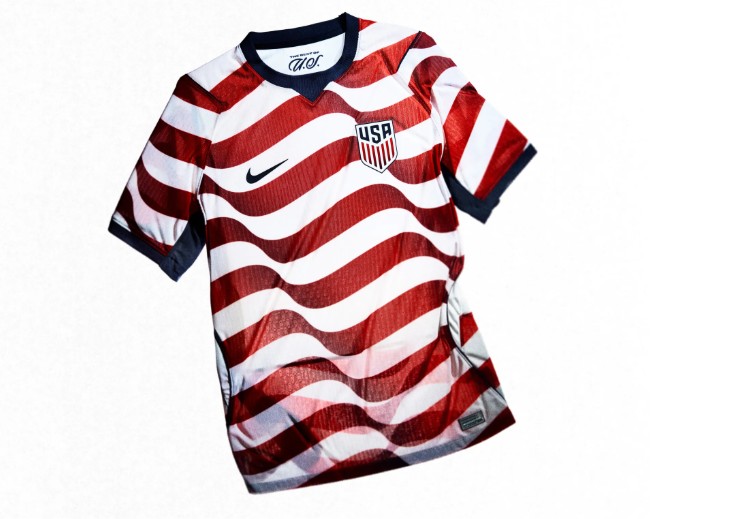
Nike’s 2026 World Cup uniforms have become a high-profile demonstration of chemical recycling technology, with players from 16 national teams set to wear kits made entirely from textile waste. The company describes the jerseys as its first elite-performance apparel created from 100% discarded textiles, positioning the initiative as a step toward a more circular fashion industry in which old clothing can be continuously transformed into new garments, tells Wired.com.
The effort addresses a growing sustainability problem. The global apparel industry produces more than 100 billion garments annually and is responsible for a significant share of greenhouse gas emissions. Most textiles eventually end up in landfills, incinerators, or waste dumps, while nearly 70% of clothing is made from fossil fuel-derived materials such as polyester. Traditional recycling methods have struggled to close the loop because mechanically recycled fibers degrade in quality and often require blending with large amounts of virgin material.
Chemical recycling seeks to overcome these limitations by breaking polyester fibers down into their molecular building blocks and then reconstructing them into new fibers. In theory, this process can produce material comparable to virgin polyester and allow repeated recycling without significant quality loss. Nike has partnered with companies including Syre and Loop Industries to source recycled polyester for its World Cup kits.
Despite the technological achievement, experts interviewed in the article caution that the reality is far more complex than the marketing suggests. Current chemical recycling systems depend heavily on clean industrial scrap and face significant challenges when processing used consumer clothing, which often contains dyes, contaminants, and blended materials. Questions also remain about scalability, infrastructure, economics, and transparency surrounding the recycling technologies being deployed.
As a result, while Nike’s jerseys demonstrate that textile-to-textile recycling is technically possible, experts argue that such products are unlikely to become commonplace in the near future. The initiative represents an important experiment in sustainable manufacturing, but it does not yet offer a comprehensive solution to the fashion industry’s growing waste and overproduction problems.
