

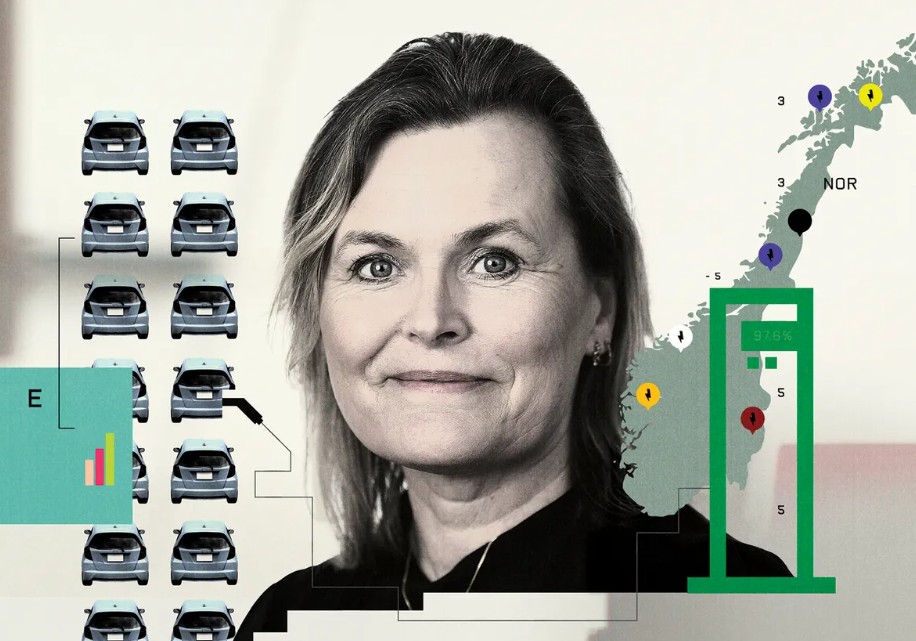
Norway has transformed its car market so that nearly all new passenger vehicles sold are battery electric. In November 2025, more than 97% of new registrations were electric cars, putting Norway close to its goal of zero sales of internal-combustion vehicles. That shift is the result of decades of targeted policy and incentives aimed at making electric vehicles far more attractive than petrol or diesel alternatives, tells IEEE Spectrum.
From the 1990s onward, the government used tax exemptions to narrow the price gap between EVs and conventional cars. Electric cars were exempt from high purchase and import taxes and from the 25% value-added tax (VAT) that applies to fuel-burning vehicles. Additional perks included lower road taxes, reduced tolls, free or discounted ferry fares, and access to bus lanes in many cities, helping EVs overcome early disadvantages in range and comfort.
Public and private investment in charging infrastructure made EV ownership practical, even in rural areas and during harsh winters that once deterred buyers. Over time, economies of scale and technology improvements made electric cars more capable and reliable, strengthening consumer confidence.
As the market share of EVs climbed, authorities began to dial back some benefits, recalibrating fiscal incentives without undoing overall progress. The scale of EV uptake prompted discussions about next steps, from supporting broader transportation goals to ensuring public transit and non-motorized mobility options remain viable in urban areas.
Norway’s experience shows that coherent, sustained incentives paired with infrastructure development can rapidly drive uptake of cleaner vehicles. Other countries watching Norway’s EV transition consider whether similar policy mixes could accelerate electrification elsewhere, though the Norwegian model reflects its unique economic and geographic context.
