

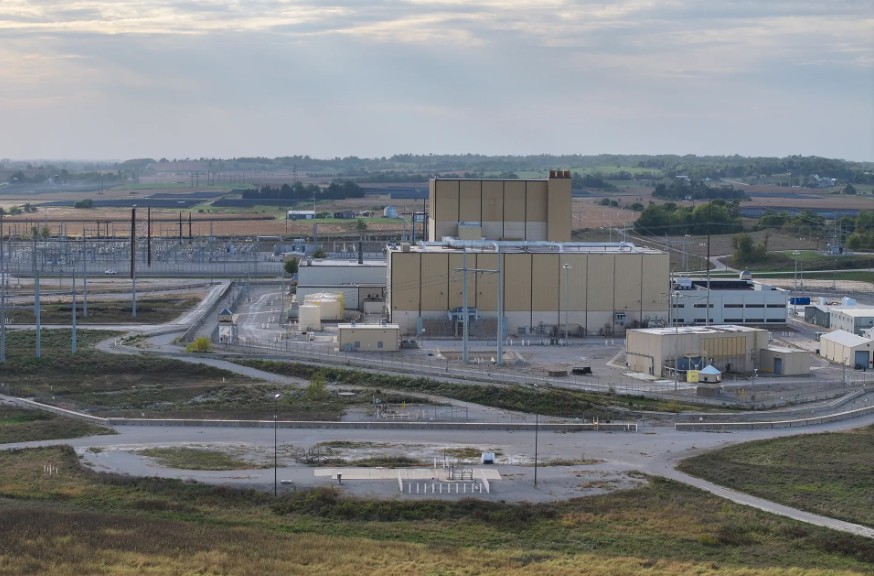
Google’s expanding network of data centers in Iowa is breathing new life into a long-dormant nuclear power plant, illustrating how massive electricity needs for artificial-intelligence computing are reshaping the U.S. energy landscape. The Duane Arnold Energy Center, Iowa’s only commercial nuclear plant, was shut down in 2020 after storm damage and economic pressures, but a 25-year power purchase agreement between Google and NextEra Energy aims to restart it by 2029. The plant could supply more than 600 megawatts of low-carbon, always-on power to the regional grid, helping meet the relentless demand for reliable electricity from Google’s facilities nearby, tells this article from Inside Climate News.
Originally commissioned in 1975 and closed after a damaging derecho in 2020, Duane Arnold sat idle for years. But with data centers requiring enormous continuous energy, far beyond what intermittent renewables alone can provide, nuclear power is regaining appeal as a clean, steady complement to wind, solar, and battery resources. Google’s deal mirrors a broader trend among major tech companies signing long-term nuclear power agreements and exploring both existing reactors and advanced designs such as small modular reactors to secure carbon-free electricity.
Safety improvements to the old plant’s design, including enhanced backup systems and greater wind resistance, aim to make it more resilient to extreme weather, a growing concern in the Midwest. Restarting Duane Arnold also underscores nuclear energy’s role in regional economic development, with investment and jobs tied to redeveloping aging infrastructure.
The revival highlights the intersection of tech industry growth and energy policy: data centers’ appetite for power is pushing energy planners and utilities to consider nuclear not just as legacy baseload but as an integral part of a diverse, low-carbon grid capable of supporting AI, cloud services, and future electrification goals.
