

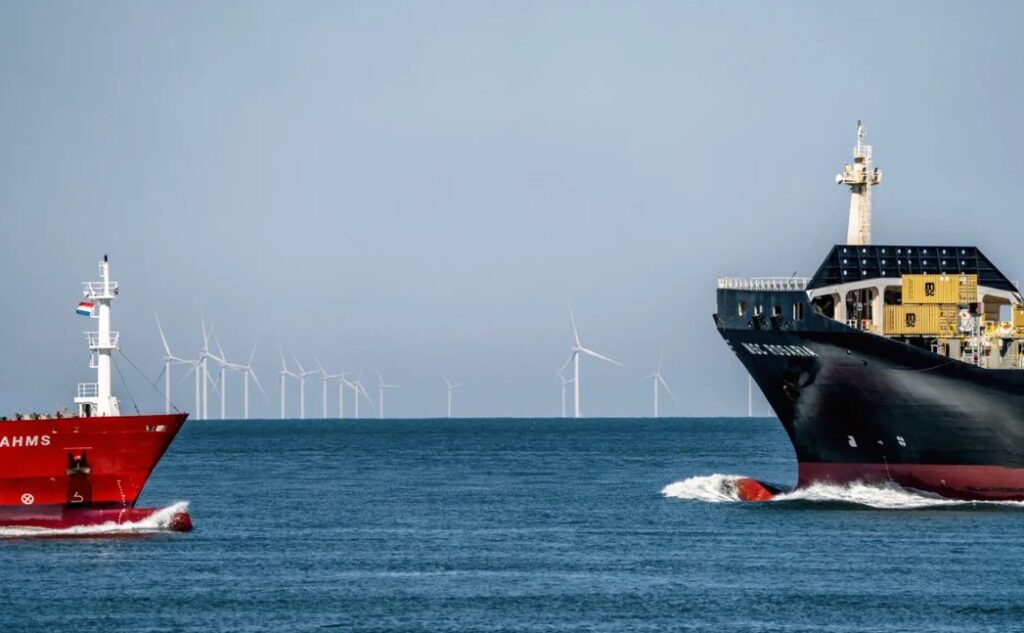
Offshore wind power is expanding rapidly as countries pursue renewable energy goals, but the growth of large wind farms at sea has raised concerns about their impact on military radar systems. Rotating turbine blades and tall towers can interfere with radar signals used for air and maritime surveillance, creating clutter or masking aircraft and vessels that defense systems are designed to detect. This issue has led to tension between renewable energy development and national security agencies responsible for monitoring coastal regions, according to IEEE Spectrum.
Radar systems work by transmitting radio waves and analyzing the echoes reflected by objects. Wind turbines can produce strong reflections, particularly because their rotating blades create moving signals that radar systems may interpret as aircraft or other targets. In some cases, these reflections can obscure real threats or create blind spots in surveillance coverage. As offshore wind projects become larger and more numerous, these effects can become more significant, especially near coastlines where military radar networks are concentrated.
Engineers and defense experts are developing several strategies to reduce these conflicts. One approach involves upgrading radar technology itself. Advanced systems with improved signal processing can distinguish turbine reflections from genuine targets. Another potential solution is the use of radar-absorbing materials on turbine blades, which reduces the strength of reflected signals and minimizes interference.
A more integrated concept treats offshore wind farms not as obstacles but as part of the surveillance network. Turbines and related infrastructure could host sensors, communications equipment, or other monitoring technologies that help detect activity at sea. By combining radar improvements with distributed sensor systems, wind farms might eventually serve as forward observation platforms for defense agencies while continuing to generate electricity.
The challenge illustrates the complex trade-offs between energy infrastructure and national security. As offshore wind capacity continues to grow worldwide, engineers and policymakers must design systems that protect both the energy transition and the integrity of critical defense technologies.
