

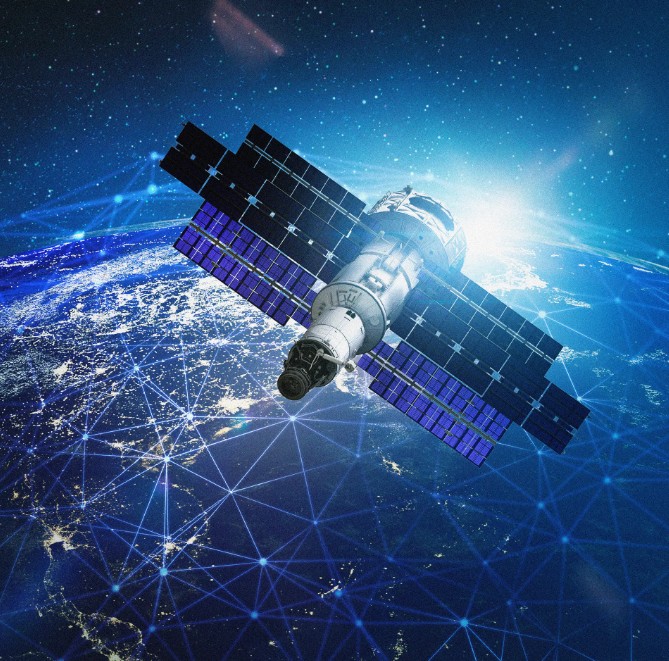
The rapid expansion of artificial intelligence is pushing terrestrial data centers to their limits, consuming vast amounts of electricity and water while straining local infrastructure. The Wired.com article explores a provocative idea: relocating AI data centers into orbit to tap abundant solar energy and reduce environmental impact on Earth.
Advocates argue that space offers nearly continuous access to sunlight and a natural vacuum that could, in theory, simplify heat management. With AI workloads projected to demand enormous power, orbital systems could bypass land constraints and reduce reliance on water-intensive cooling systems. The concept has attracted attention from major tech players and space companies exploring satellite-based computing clusters.
However, the physics of space complicates these assumptions. Cooling, for instance, becomes far more difficult without air or liquid convection. Heat can only dissipate through radiation, which is significantly less efficient, requiring large radiative surfaces that add weight and cost. As systems scale, this challenge intensifies, making large orbital data centers harder to design and launch.
Cost remains another major hurdle. Launching and maintaining infrastructure in orbit is expensive, and even optimistic estimates suggest space-based facilities would struggle to compete with Earth-based alternatives in the near term. Maintenance, exposure to radiation, and risks from space debris further complicate operations.
Some researchers suggest smaller, distributed satellite networks could mitigate these issues, handling specialized workloads such as processing space-derived data or supporting defense applications. Still, experts agree that large-scale orbital data centers are unlikely to replace terrestrial systems anytime soon.
Ultimately, the idea reflects a deeper tension in AI’s growth: as computational demands approach planetary scale, engineers may need to explore unconventional environments. For now, space-based data centers remain an ambitious concept, caught between compelling physics and stubborn practical limits.
