

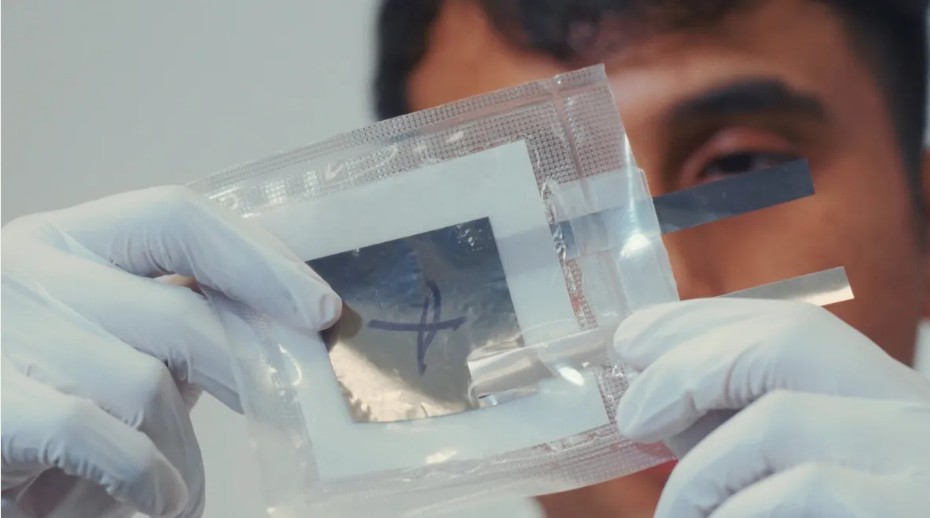
A feature published by IEEE Spectrum examines the ambitions of Singapore-based startup Flint, which is developing a cellulose-enhanced “paper battery” intended to provide a safer and more sustainable alternative to conventional lithium-ion and alkaline batteries. The company’s approach combines established battery chemistry with renewable materials in an effort to reduce environmental damage, fire risk, and reliance on hazardous metals.
Despite the name, Flint’s technology is not a fuel cell or experimental biological battery. Instead, it uses familiar zinc and manganese dioxide chemistry similar to alkaline batteries, while integrating cellulose into multiple battery components including the casing, separator, electrolyte, and cathode structure. According to Flint founder Carlo Charles, the company’s goal is to eliminate problematic substances commonly associated with battery production, including PFAS chemicals, cobalt, and solvent-heavy manufacturing processes.
One of the battery’s major advantages is safety. Unlike lithium-ion batteries, which can ignite or explode when damaged, Flint claims its cellulose-based design is noncombustible and resistant to leakage. The batteries can also be produced in lightweight, flexible formats resembling thick paper sheets, opening potential applications in wearable electronics, portable sensors, and compact consumer devices.
Flint also claims performance metrics approaching lithium-ion territory in some applications. The company says its batteries can deliver voltages up to 4.2 volts and survive approximately 1,000 recharge cycles, although the detailed chemistry remains proprietary. Rather than targeting electric vehicles, Flint is focusing initially on lower-power consumer electronics where safety, sustainability, and manufacturing simplicity may provide stronger competitive advantages.
The article highlights growing pressure on the battery industry to address sustainability concerns tied to mining, toxic materials, and electronic waste. Conventional battery supply chains often depend on environmentally damaging extraction processes and difficult recycling challenges. By replacing some metal-intensive components with cellulose, Flint hopes to reduce both material toxicity and carbon impact.
The startup has already entered pilot partnerships, including collaboration with Logitech, which is testing Flint’s AAA batteries in selected products. The success of these early deployments may determine whether cellulose-enhanced batteries can move beyond niche experimentation and become a viable option in mainstream consumer electronics manufacturing.
