

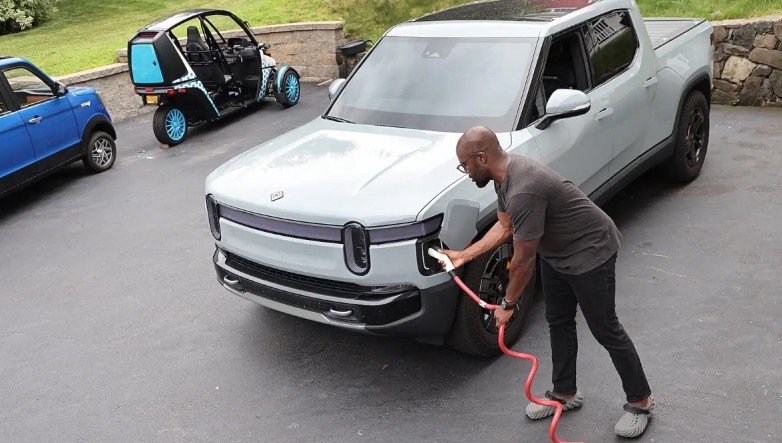
As electric vehicles become more common across the United States, concerns are growing over the pressure they could place on an aging electrical grid. A Grist article argues that the same batteries feared as a future burden may instead become part of the solution through a technology called vehicle-to-grid, or V2G. Rather than only drawing electricity from the grid, compatible EVs can also send stored power back during periods of high demand.
The article explains that charging patterns create a major challenge for utilities. Many drivers plug in their vehicles during the evening, exactly when household electricity use already peaks. Without careful management, millions of EVs charging simultaneously could overload local infrastructure and force costly grid upgrades. Researchers and utilities are therefore exploring smarter ways to integrate EVs into the power system.
V2G technology transforms parked EVs into decentralized energy-storage units. During peak demand, utilities could temporarily pull electricity from vehicle batteries to stabilize the grid, then recharge those vehicles later at night when energy demand drops. The system could also help balance intermittent renewable energy sources such as wind and solar, whose output changes throughout the day.
The article highlights research from the University of Michigan showing that large fleets of connected EVs may provide substantial backup capacity during emergencies or power shortages. Some utilities are already experimenting with pilot programs that compensate EV owners for participating in energy-sharing systems. Another complementary strategy, known as active managed charging, staggers charging schedules through software so vehicles do not all begin charging at the same time.
Despite the promise, challenges remain. Bidirectional charging hardware is still relatively uncommon, and regulators must develop standards governing energy flows, pricing, and battery wear. Expanding transmission infrastructure will also remain necessary as electricity demand rises.
Still, the article presents EVs not merely as transportation devices but as mobile energy assets that could help modernize an increasingly fragile grid while supporting the broader transition toward renewable power.
