

At CES 2026, Pebble emerged as a noticeable presence not because of flashy sensors or heavy health tracking but because of simplicity and open source. The brand, once a Kickstarter darling that faded after its 2016 sale to Fitbit, now returns under original founder Eric Migicovsky with a slim team and a clear purpose: build wearables that don’t demand daily charging or overwhelm users with features, tells IEEE Spectrum.
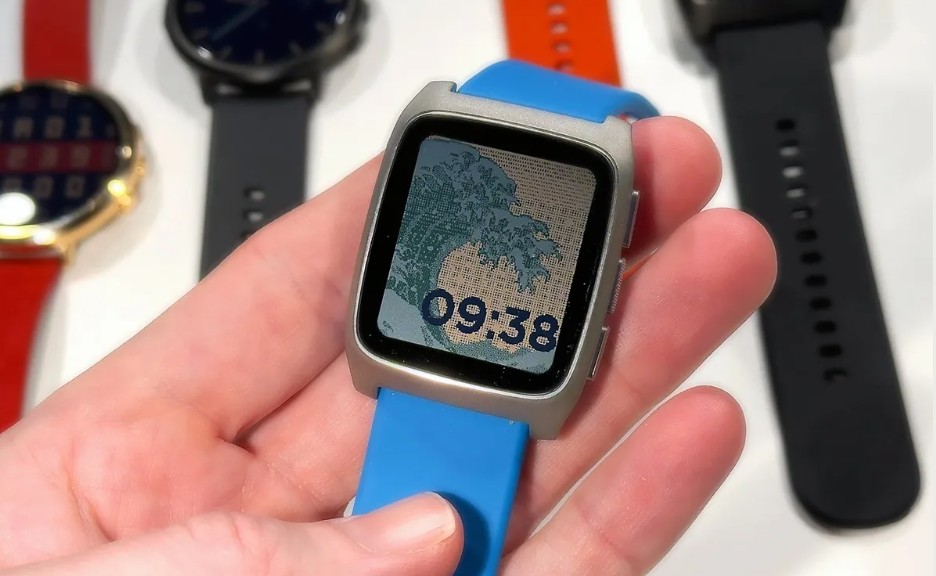
Pebble unveiled three new devices. The standout is Pebble Round 2, a circular smartwatch with a 1.3-inch low-power e-paper-style display that sacrifices sensor overload for extended uptime. Next are Pebble Time 2, a larger rectangular model with a heart-rate monitor and speaker, and Pebble Index, a ring-form companion designed for quick audio notes and simple interactions. All three follow Migicovsky’s philosophy of being companions to smartphones rather than replacements.
Battery life is central: the Round model can run up to two weeks on a charge, while Time 2 claims up to a month. The Index ring uses a non-replaceable battery intended to last years. These gains stem from minimalist hardware and a focus on low-power microcontrollers rather than power-hungry chips common in mainstream smartwatches.
The bigger change is software. PebbleOS, the operating system powering these devices, is now fully open source under an Apache 2.0 license. Its code and companion Android and iOS apps are on GitHub, inviting developers to fork, modify, and expand the ecosystem. This moves Pebble away from locked-down platforms toward community development and customization.
Migicovsky isn’t chasing every trend, but he acknowledges modern expectations. Some interactions tied to AI assistants via smartphone bridges rather than native processing. The open source app store, modest in size but active, could grow if developers embrace PebbleOS. Pebble’s CES showing underscores a renewed focus on user control, longevity, and a more intentional wearable experience.
